47 Top Music Festivals To Add To Your Calendar [Worldwide]
Every year, millions of music fans head to outdoor festivals looking for the ideal mix of live music, community, and atmosphere. The energy and magic of live music come together at festivals, creating an experience that goes far beyond a regular concert. These events are lively cultural gatherings, bringing people together and leaving a lasting impact on those who attend. Here are some of the top music festivals around the world.
1. Coachella Valley Music And Arts Festival
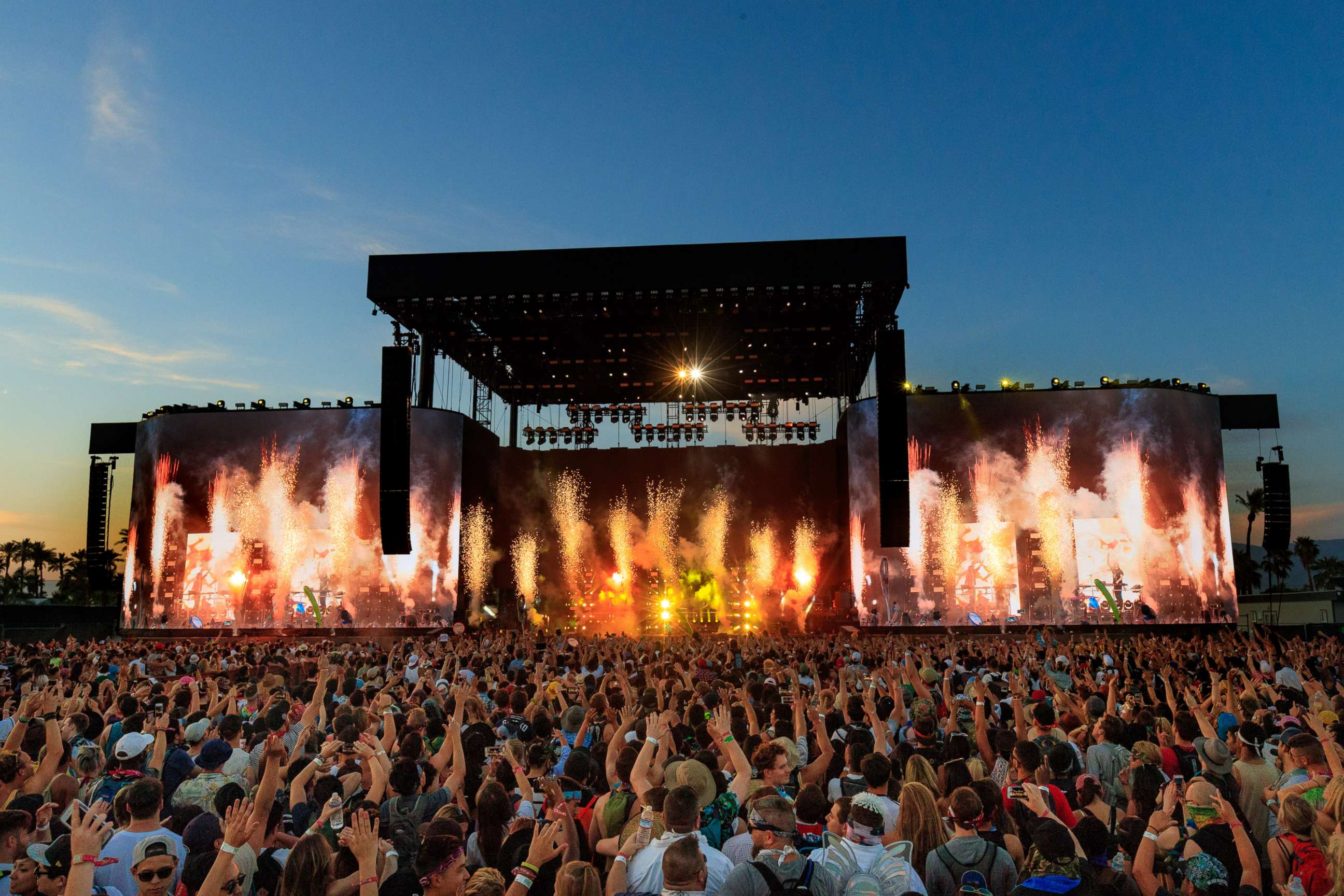
Started in 1999, Coachella is a spring music festival held at the Empire Polo Club in the California desert. It takes place over two weekends in April, with big-name performers in pop, rock, hip-hop, and electronic music. Coachella is known for its huge main stage, eye-catching art, celebrity appearances, and stylish crowds.
In 2017, about 250,000 people attended over both weekends. To beat the heat and traffic, arrive early in the morning. Many choose to camp on-site or take a shuttle from Palm Springs. The desert setting gives the festival a relaxed, social feel - complete with large art pieces, yoga sessions, and surprise late-night performances.
2. Burning Man
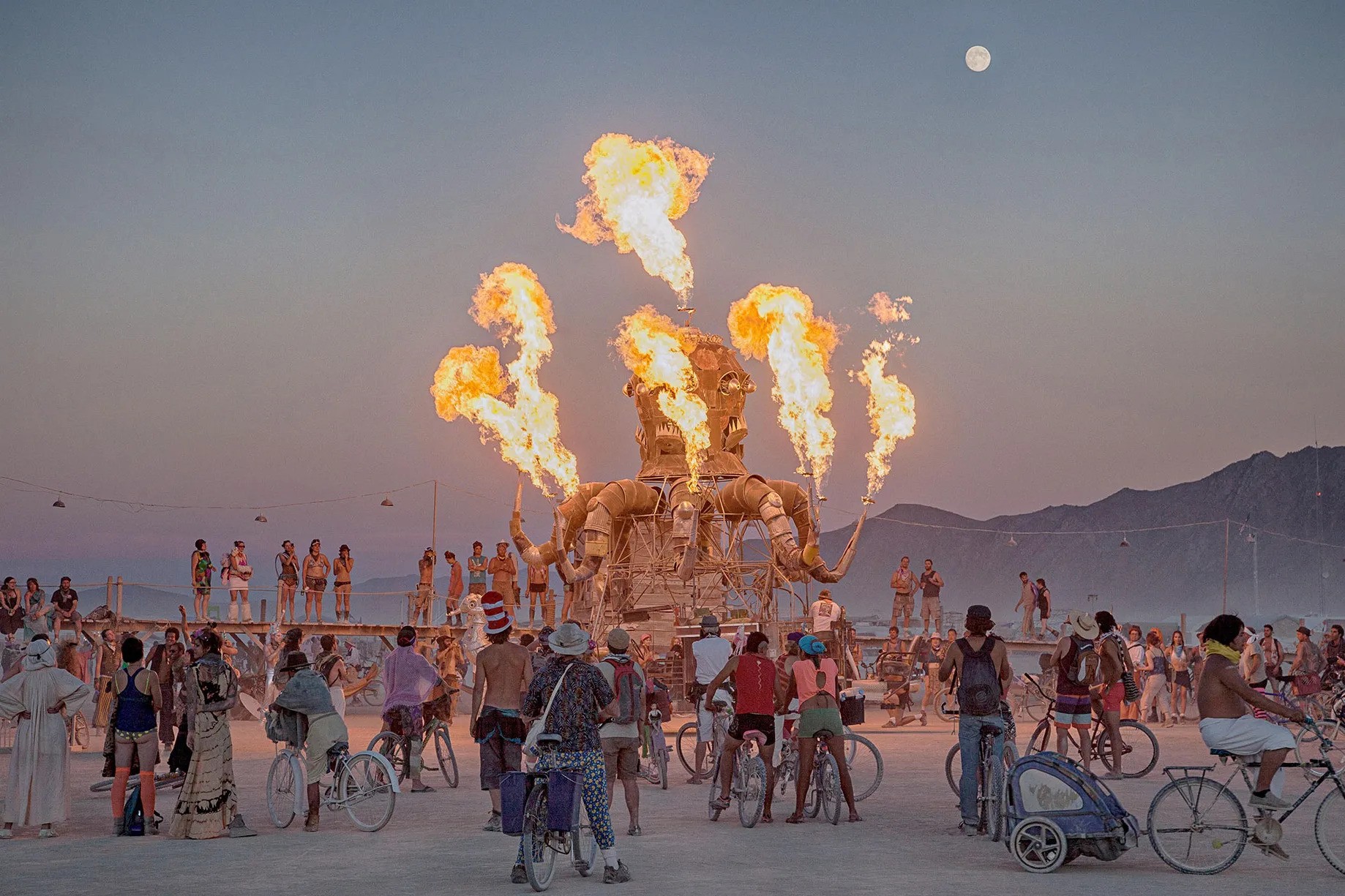
Each August, about 70,000 people travel to Nevada’s Black Rock Desertfor Burning Man, a week-long arts and culture event that’s more like a temporary city than a regular music festival. There’s no official lineup - attendees create their own stages and themed camps. Music ranges from techno to folk, but the focus is on participation and self-expression.
Burning Man has no selling or vending and follows a “leave no trace” rule, making it a one-of-a-kind experience. Visitors must bring everything they need - water, food, shelter - and be ready to take part. Expect surprise drum circles, sunrise DJ sets, and plenty of creative activities.
3. Bonnaroo Music And Arts Festival
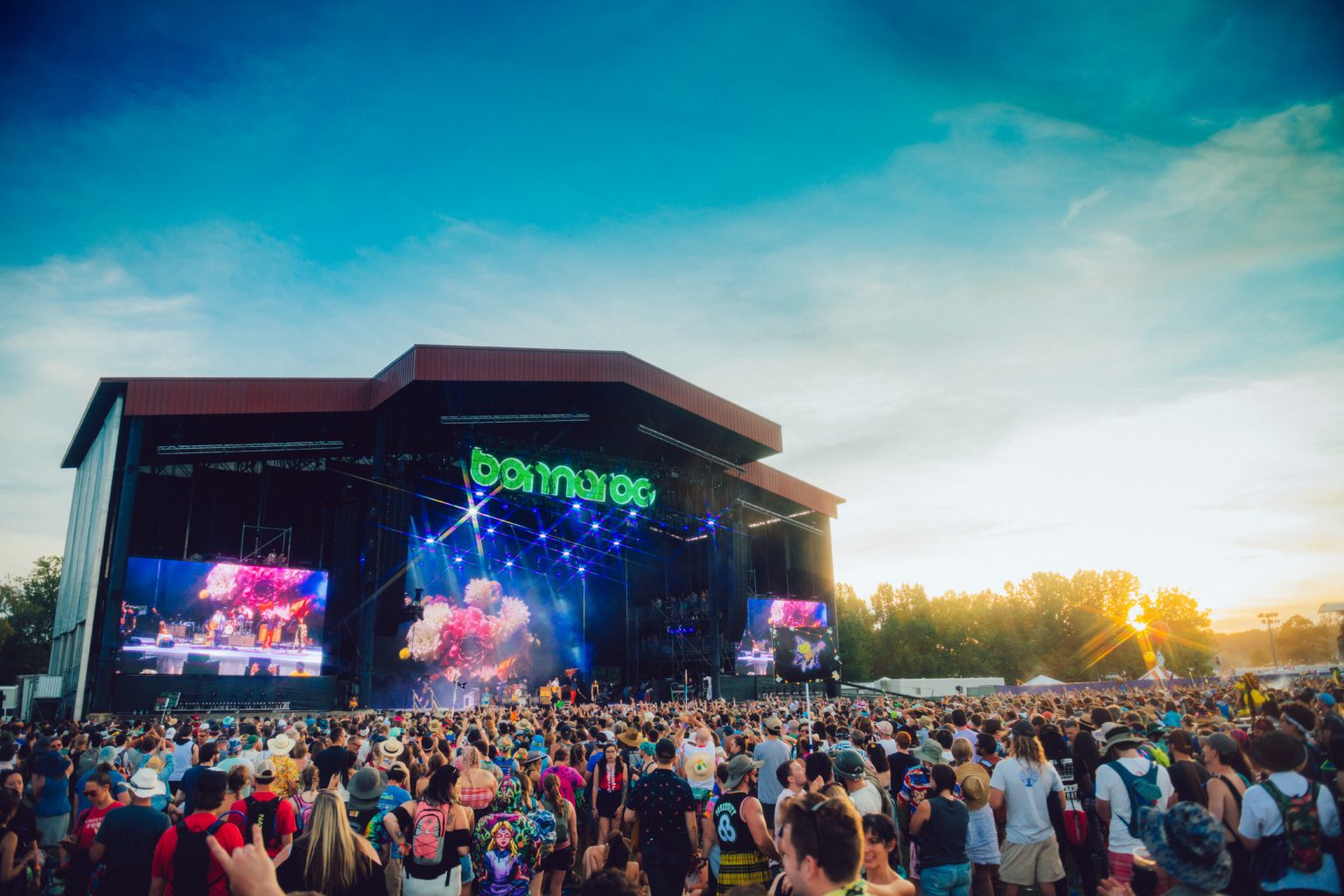
Since 2002, Bonnaroo has turned a Tennessee farm into a four-day camping festival every June. It features many music styles - indie rock, jazz, electronic, country, and more - on multiple stages. In 2024, about 70,000 people attended. The festival is loved for its mix of music and strong sense of community.
Highlights include late-night jam sessions at the “Bonnaroo Comedy Tent,” themed art displays, and movie screenings. Visitors can fly into Chattanooga or Nashville, carpool with parking passes, and bring camping gear for tents or campers. The schedule packs in full days of music, ending with a slower Sunday to relax, keeping the spirit of classic American summer festivals.
4. Lollapalooza
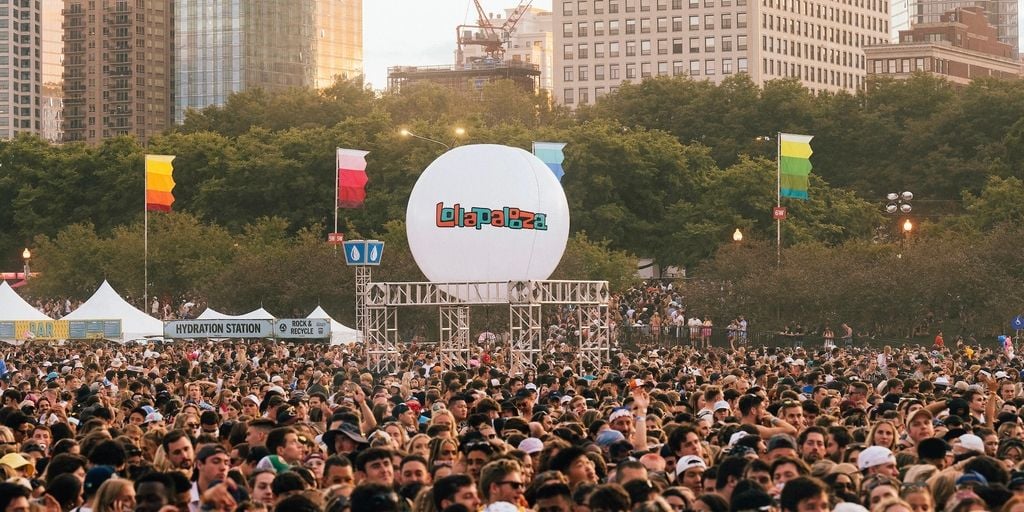
Once a touring alt-rock festival (1991-1997), Lollapalooza is now a huge four-day event in Chicago’s Grant Parkevery July. It features many genres, including alternative rock, hip-hop, EDM, and more. About 400,000 people attend each year, with around 100,000 per day. Lolla also takes place in other countries like Chile, Brazil, Argentina, Germany, and France, but Chicago is the main one.
The festival has multiple stages by Lake Michigan, food stalls, and local art displays. In Chicago, it’s known for its free views of the Lake Shore Drive skyline and for boosting the city’s economy - bringing in over $2 billion for local businesses since 2010.
5. SXSW (South By Southwest)
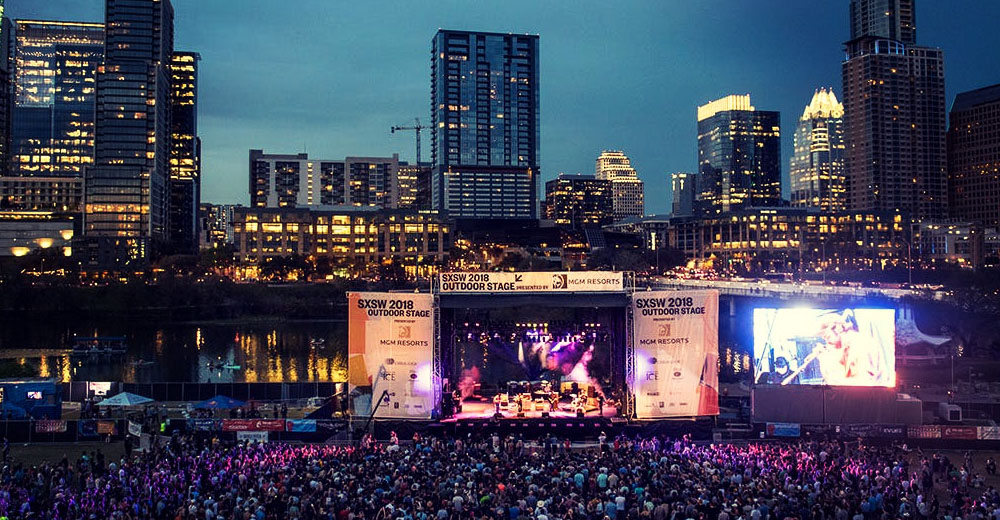
Every March, Austin comes alive with hundreds of music shows alongside film and tech events. The music includes rock, Latin, indie, and more. SXSW isn’t about camping - it’s an urban festival, with over 1,000 bands playing at venues all over downtown for several days.
What makes it special is the mix of conference talks, tech showcases, and late-night concerts. Many new artists perform here for the first time. Visitors should plan ahead - get wristbands early, keep a schedule handy, and enjoy Austin’s famous live music scene.
6. Electric Daisy Carnival (EDC)
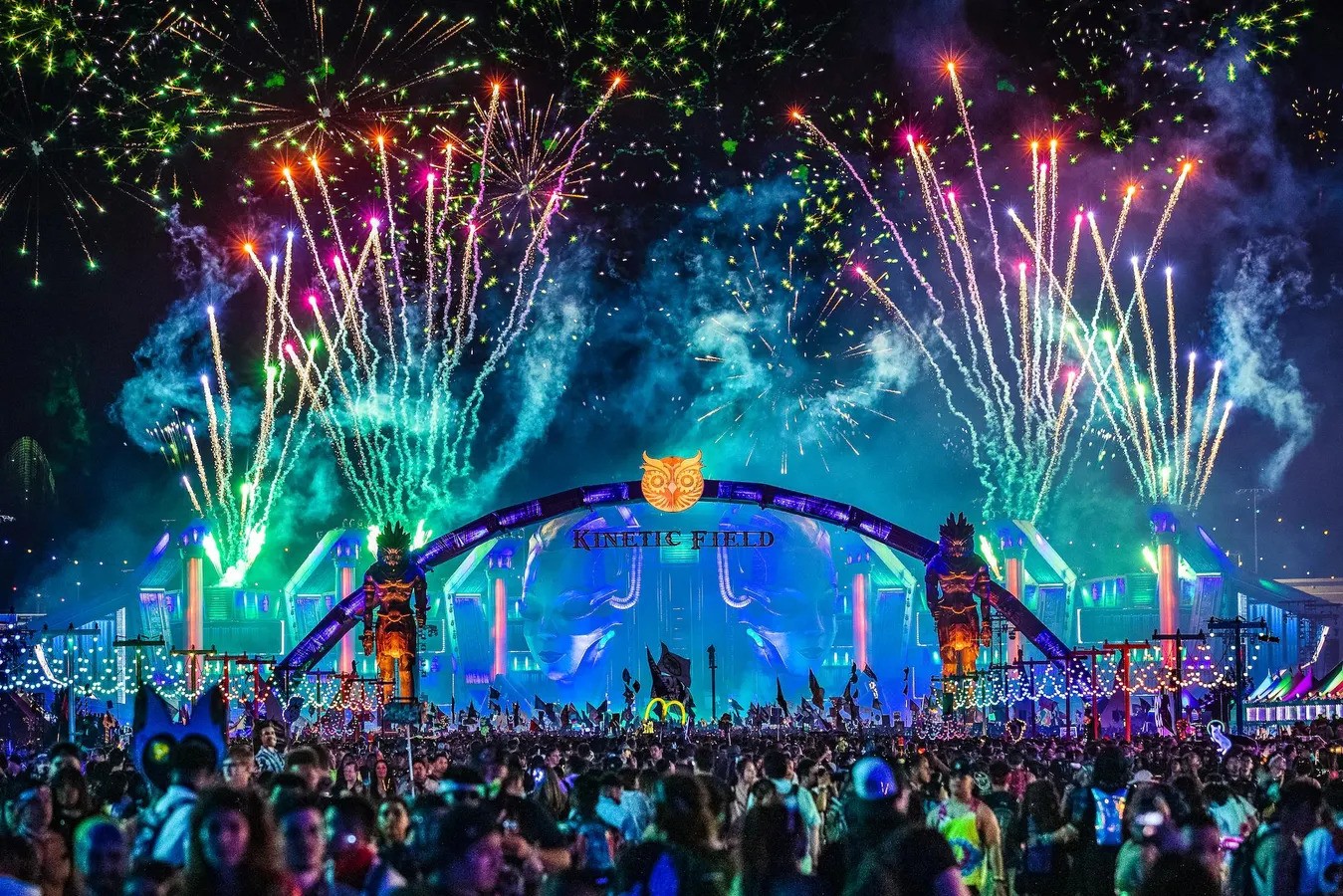
EDC Las Vegas, held every May, is the biggest EDM festival in North America. In 2024, it welcomed over 525,000 people in three nights. The Las Vegas Motor Speedway turns into a glowing world of huge stages, carnival rides, art displays, and costumed performers.
Famous DJs play across several stages, and fans often wear bright neon outfits. Many stay in RVs or tents at the on-site camping area. EDC provides shuttle buses from Vegas hotels and has parking available. Expect hot days, cool desert nights, giant themed sculptures, and a high-energy, dreamlike party atmosphere.
7. Stagecoach Country Music Festival
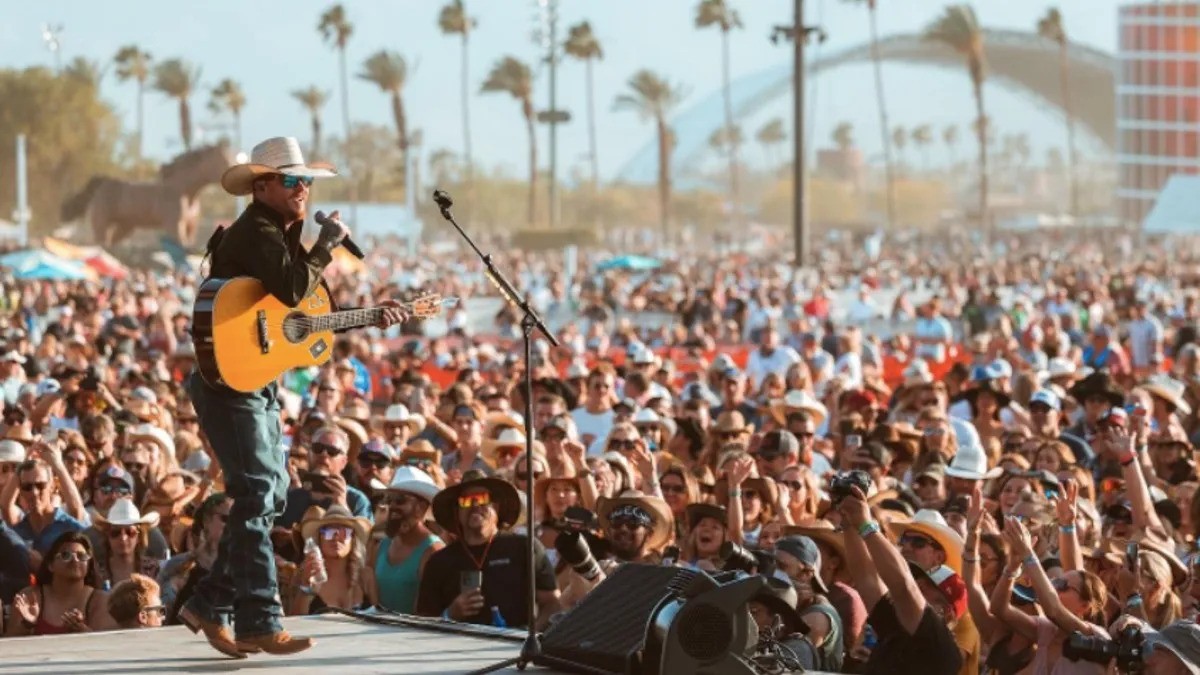
Held at the Empire Polo Club the week after Coachella, Stagecoach is the world’s biggest country music festival. Since starting in 2007, it has featured stars from country, bluegrass, Americana, and southern rock across multiple stages. Around 55,000 people attend each day.
The atmosphere is all about open fields, cowboy hats, and camping near the Corral Stage. Highlights include country music legends, line dancing, ferris wheels, BBQ, and plenty of space to roam. Many people who go to Coachella stay another week for Stagecoach. The desert weather means hot days and chilly nights, so plan accordingly.
8. Austin City Limits (ACL) Festival
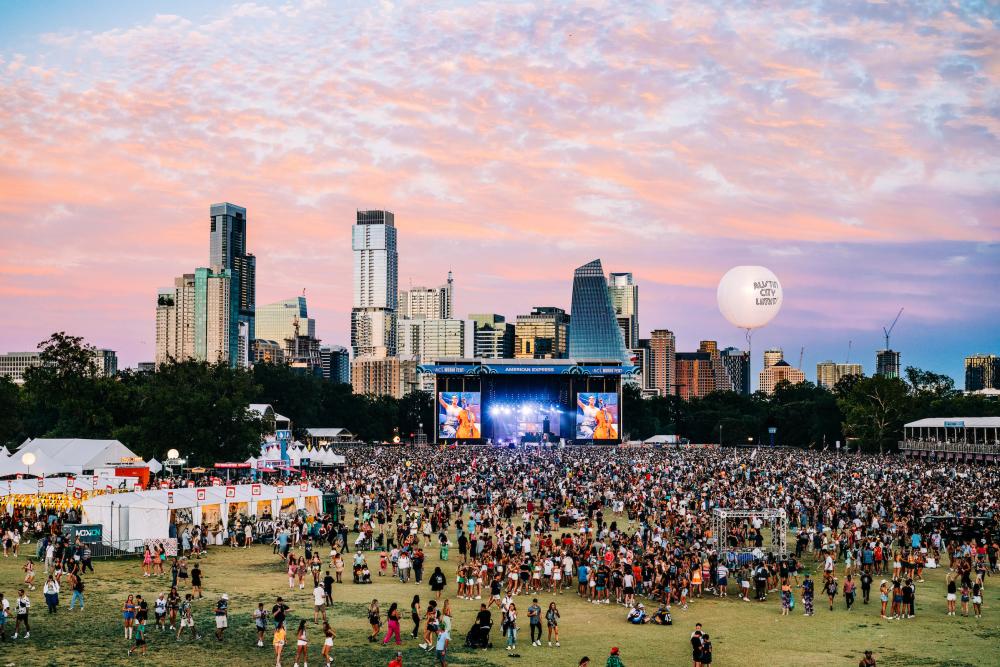
Every October in Austin’s Zilker Park, ACL hosts eight stages of live music over two weekends. The lineup covers rock, indie, hip-hop, reggae, and electronic, and the festival is named after the well-known KLRU TV show.
A big part of ACL’s appeal is Austin’s love for live music, with local Texas artists sharing the stage with famous performers. Thousands attend each year, and staying near downtown is best for easy access. The park’s location gives great views of the city skyline. Tickets usually sell out by early spring.
9. New Orleans Jazz & Heritage Festival
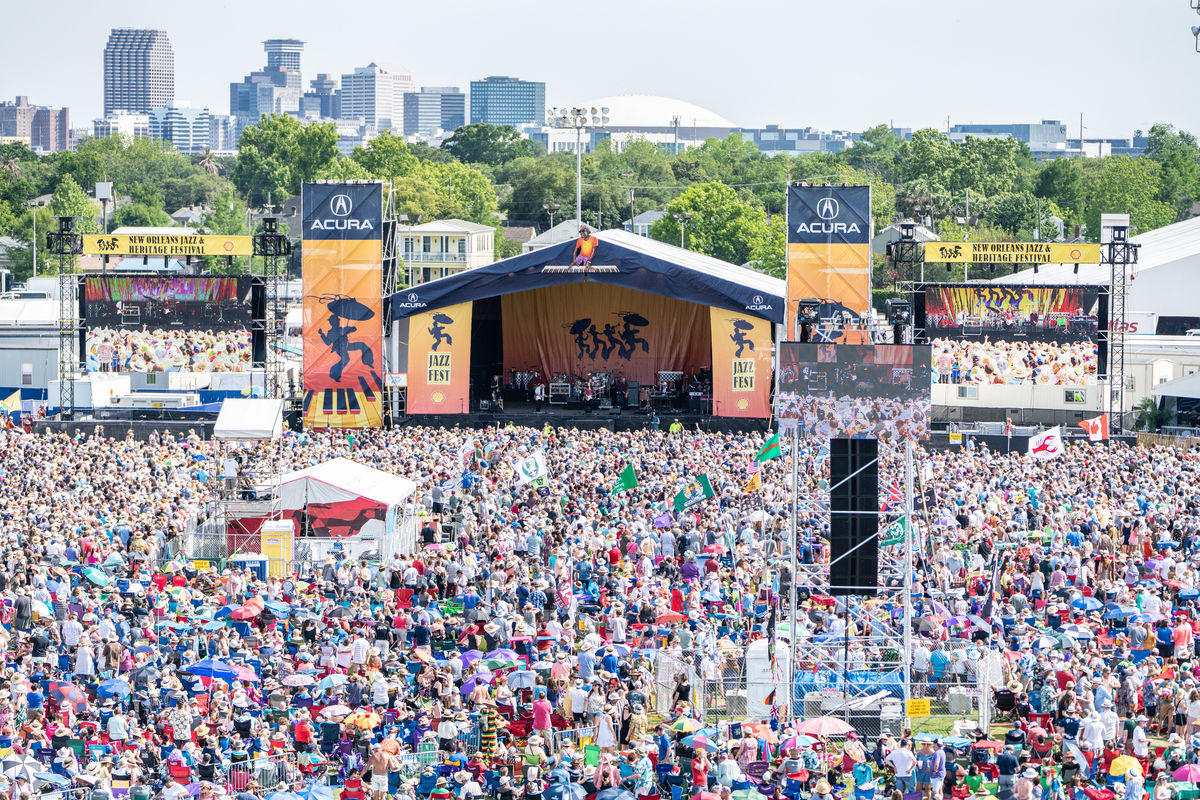
Known as Jazz Fest, this two-weekend festival in April and May celebrates the culture of New Orleans. Along with big rock and pop headliners, it features lots of jazz, blues, gospel, brass bands, zydeco, and local roots music.
In 2024, performers included legends like The Rolling Stones and Foo Fighters, but the festival’s heart is all about the city. Food tents, local art, and a lively atmosphere make it special. It’s held at the Fair Grounds Race Course and draws over 400,000 people each year. Visitors should bring sunscreen and explore the many different stages.
10. Newport Folk Festival
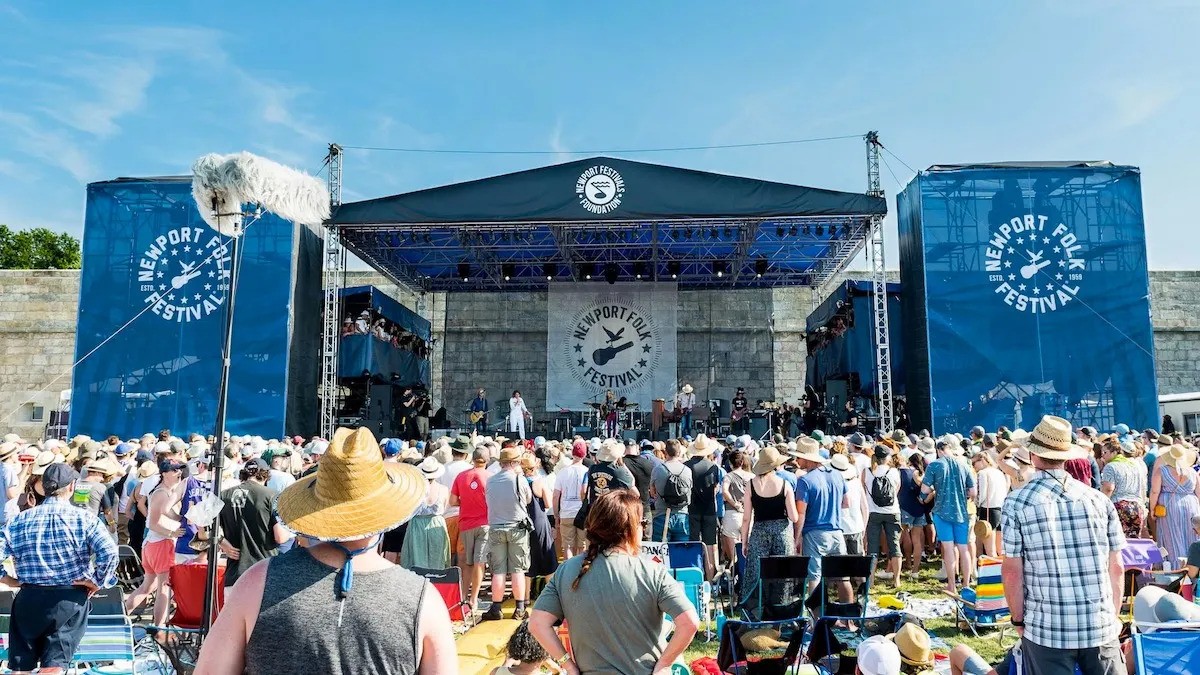
Started in 1959, Newport Folk is one of the oldest music festivals in the U.S. and an important part of folk music history. It happens in late July at Fort Adams State Park, a scenic spot by Narragansett Bay. The festival has a relaxed, grassroots feel, featuring folk, Americana, blues, and indie singer-songwriters.
It’s famous for historic moments, like Bob Dylan playing electric guitar in 1965. Today it still keeps a friendly, community atmosphere, with fans staying in nearby hotels or camping in RVs. Each year the lineup blends famous artists with new acoustic talent.
Related: Best Festival Destinations Around The World You Shouldn't Miss
11. Summerfest
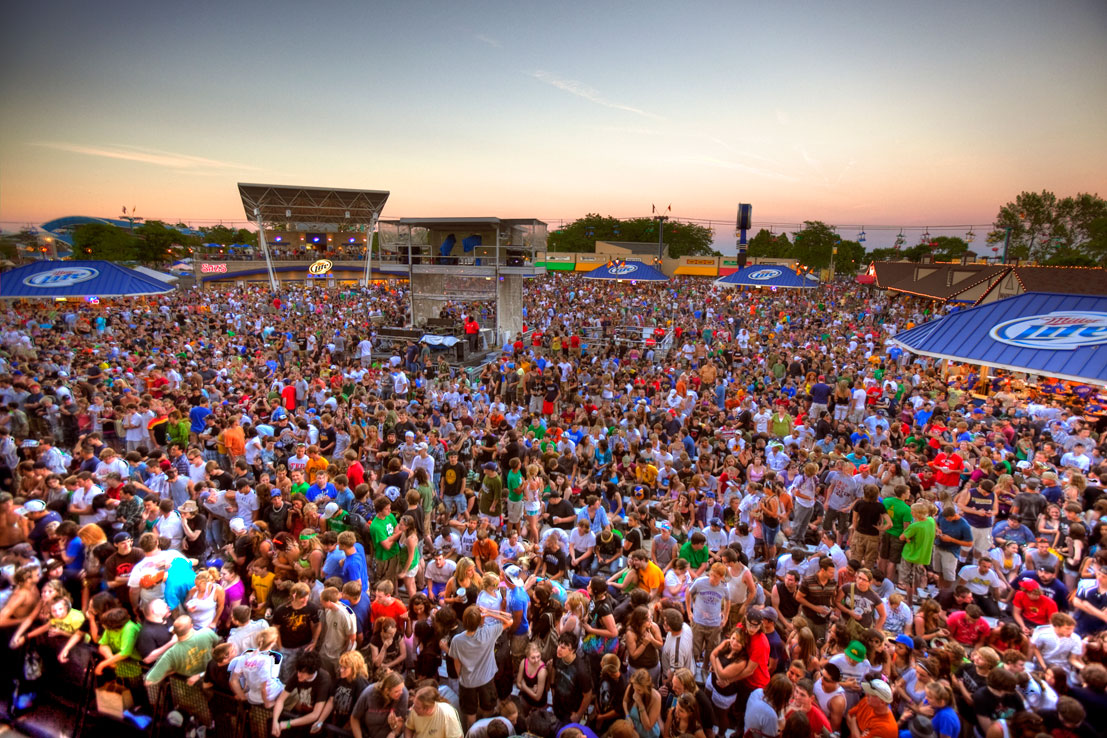
Called “The World’s Largest Music Festival,” Summerfest lasts nine days spread over three weeks from late June to early July. Around 550,000 people attend, with dozens of stages and over 800 performances covering rock, pop, country, soul, and more. It takes place at the 75-acre Henry Maier Festival Park next to Lake Michigan.
The festival features free shows from local Wisconsin musicians, plus everything from famous stars to smaller niche bands. There are fireworks on opening night. Summerfest is known for being well-organized and easy to get around, thanks to major investments in its facilities. Visitors can even take a water taxi to the event, and big-name acts are often scheduled on different days so fans can see more of them.
12. Outside Lands
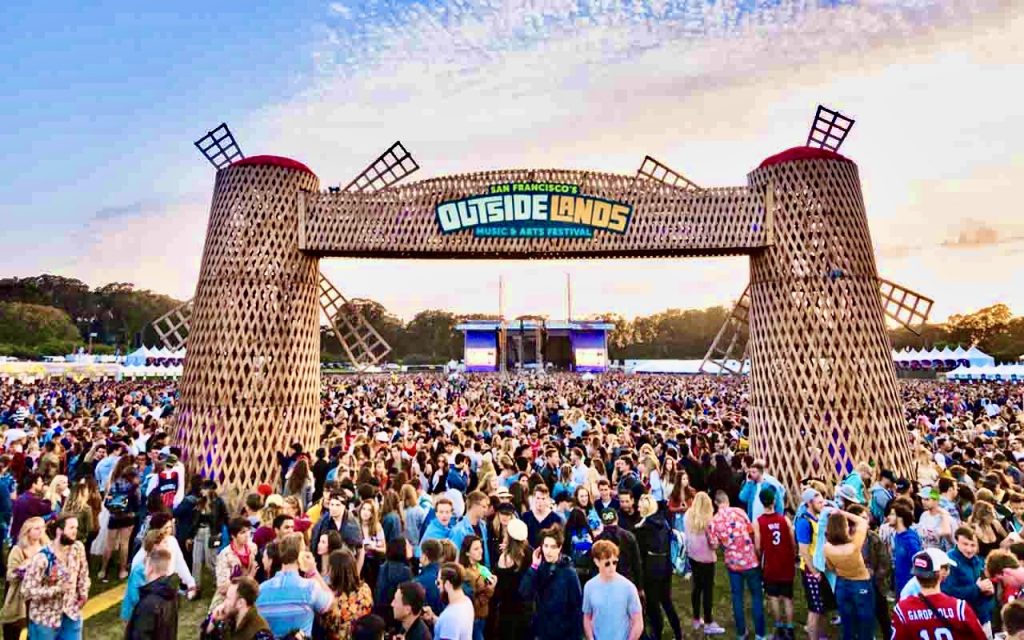
Every August, Golden Gate Park hosts Outside Lands, a three-day music festival with indie rock, hip-hop, electronic, and sometimes folk or reggae. It’s also known for serving fancy food and wine, showing off San Francisco’s food culture.
Unlike desert festivals, this one takes place among trees and hills, giving it a green, natural setting. Around 200,000 people attend each year. The event also promotes sustainability, with recycling stations and compostable cups.
13. Rock In Rio
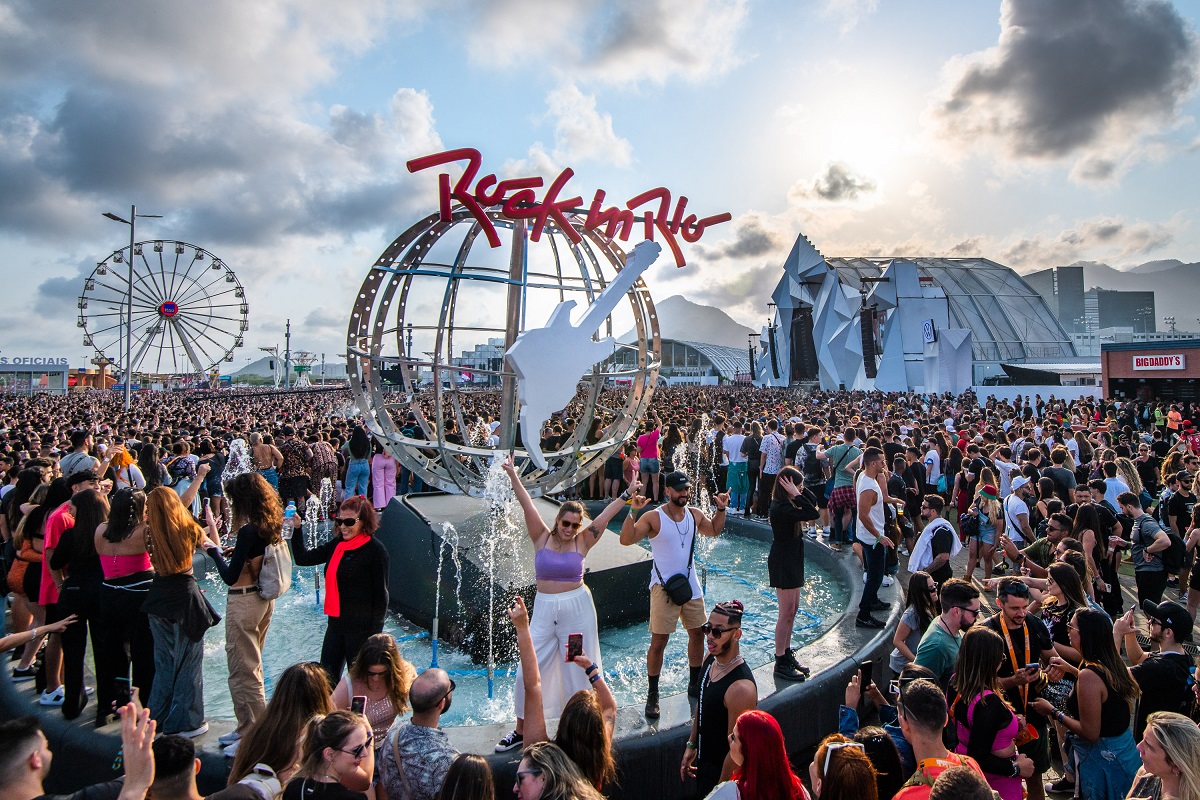
Rock in Rio, first held in 1985 at Rio’s City of Rock, is one of the biggest music festivals in the world. The first event drew a record 1.38 million people over several days. Now held in Rio every two to three years; with spin-offs in Lisbon, Madrid, and Las Vegas, it runs for about two weeks with huge stage productions.
Fans love its carnival-like vibe, with some camping in big fields and others enjoying nearby beaches. The “Rock Street” area adds parades, games, and branded attractions. Despite its name, the festival features not only rock but also pop and EDM acts.
14. Lollapalooza Brazil
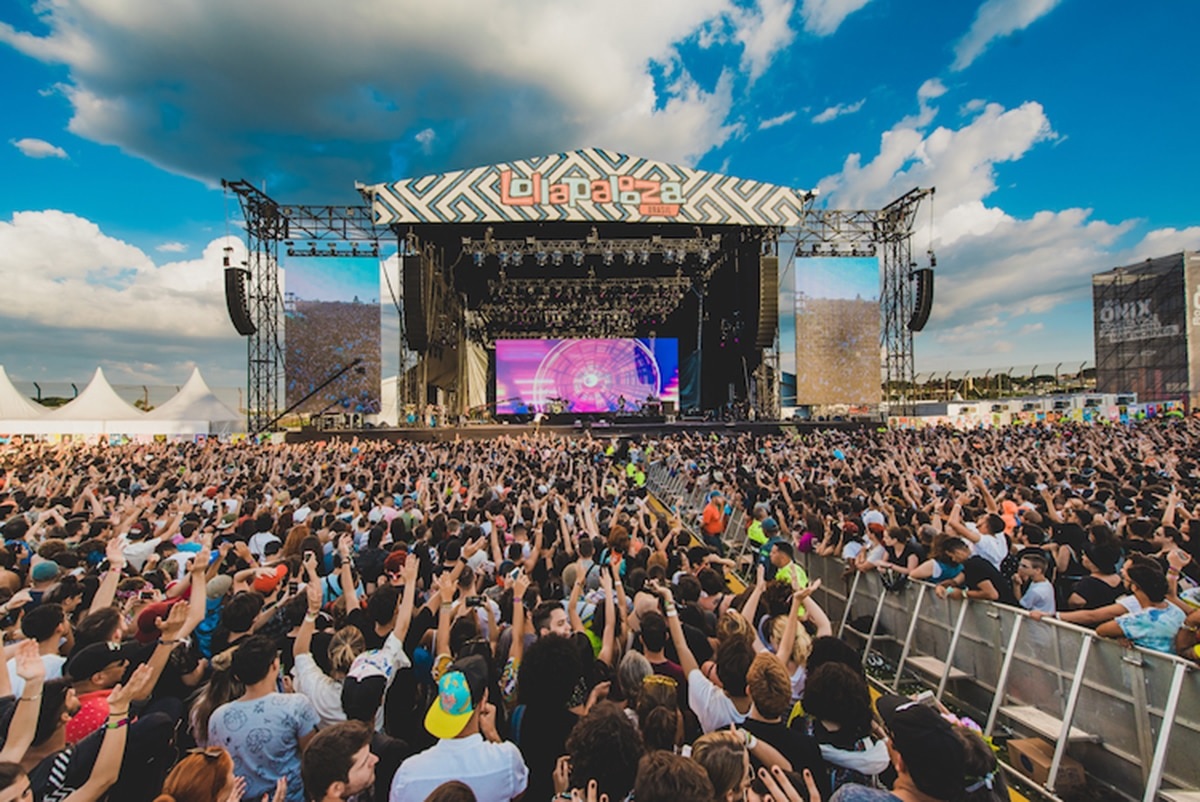
Since 2012, Lollapalooza Brazil has brought the Chicago festival’s style to South America each March. Over three days, it hosts international rock, pop, and hip-hop acts, often featuring the same big headliners that play in the US weeks later. Around 80,000 people attend each day.
The festival takes place at the Autódromo José Carlos Pace, a Formula 1 racetrack with multiple stages under the open Brazilian sky. Alongside global stars, it also features Brazilian artists, giving visitors a flavour of the country’s music scene.
15. Lollapalooza Argentina
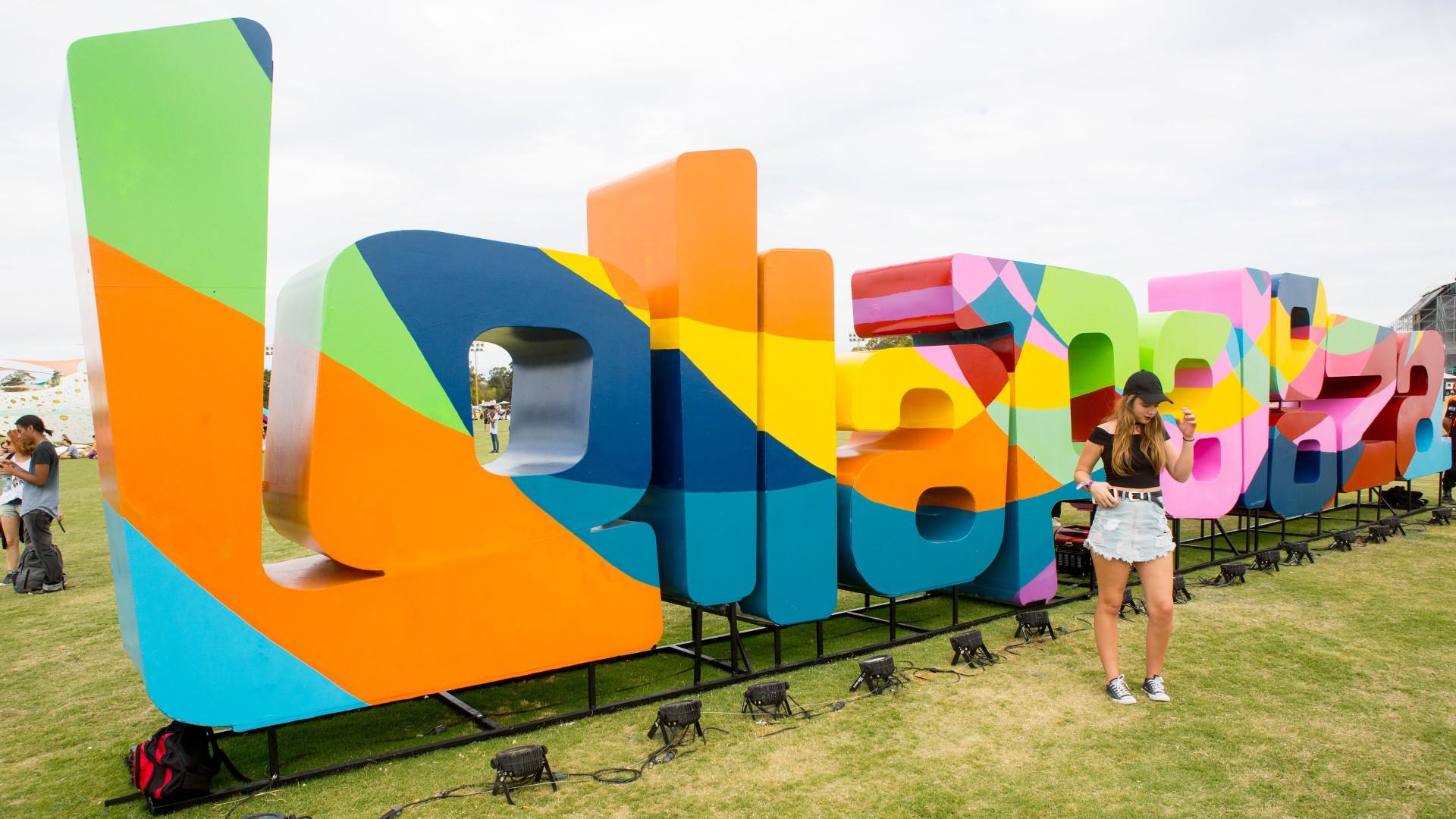
Lollapalooza Argentina, launched in 2014, takes place every March in large parks along the Río de la Plata. It draws over 100,000 people and mixes Latin rock and pop stars with big international headliners. Since it’s summer in Argentina, expect warm nights, plenty of local food stalls, and passionate crowds singing in both Spanish and English.
16. Lollapalooza Chile
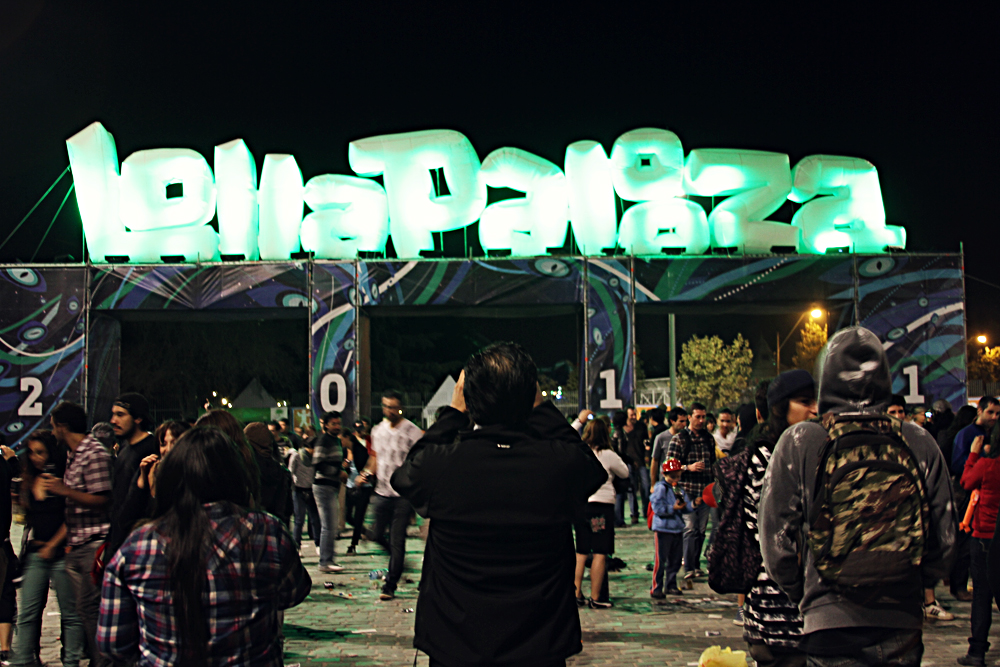
Lollapalooza Chile, first held in 2011 at Santiago’s O’Higgins Park, takes place every March. Like other Lollapaloozas, it has an international lineup, but with a twist for Chilean audiences. Around 85,000 people attend each day, and it often sells out. Local stars like Mon Laferte perform alongside global pop and rock acts.
Because it’s in the city, visitors can stay in Santiago and easily get there by public transport. Lolla Chile offers a taste of Latin American festival culture, with passionate crowds, Spanish rock classics, and high-energy EDM hits.
17. Vive Latino
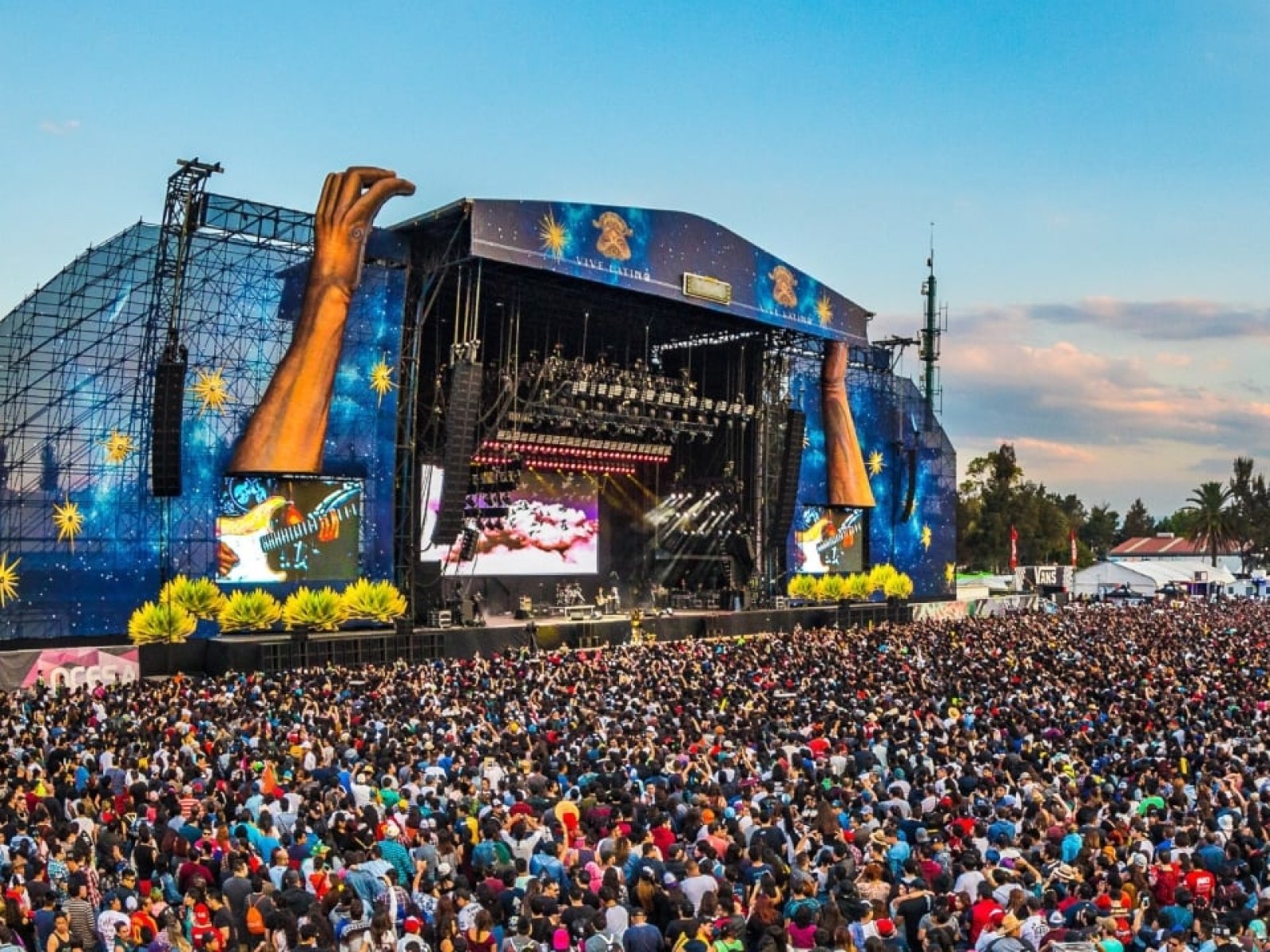
Every spring since 1998, Vive Latino - short for Festival Iberoamericano de Cultura Musical - has brought two days of Latin rock and alternative music to the Autódromo Hermanos Rodríguez. It’s the biggest and most important Latin rock festival in the Americas. Most of the music is in Spanish, including rock, ska, reggae, and some international indie acts.
With around 75,000 people each day, the atmosphere is lively and energetic. Fans often line up early to see favourites like Café Tacvba or Zoé. The schedule is packed, and many people stay overnight or find places nearby in Coyoacán.
18. EDC Mexico City
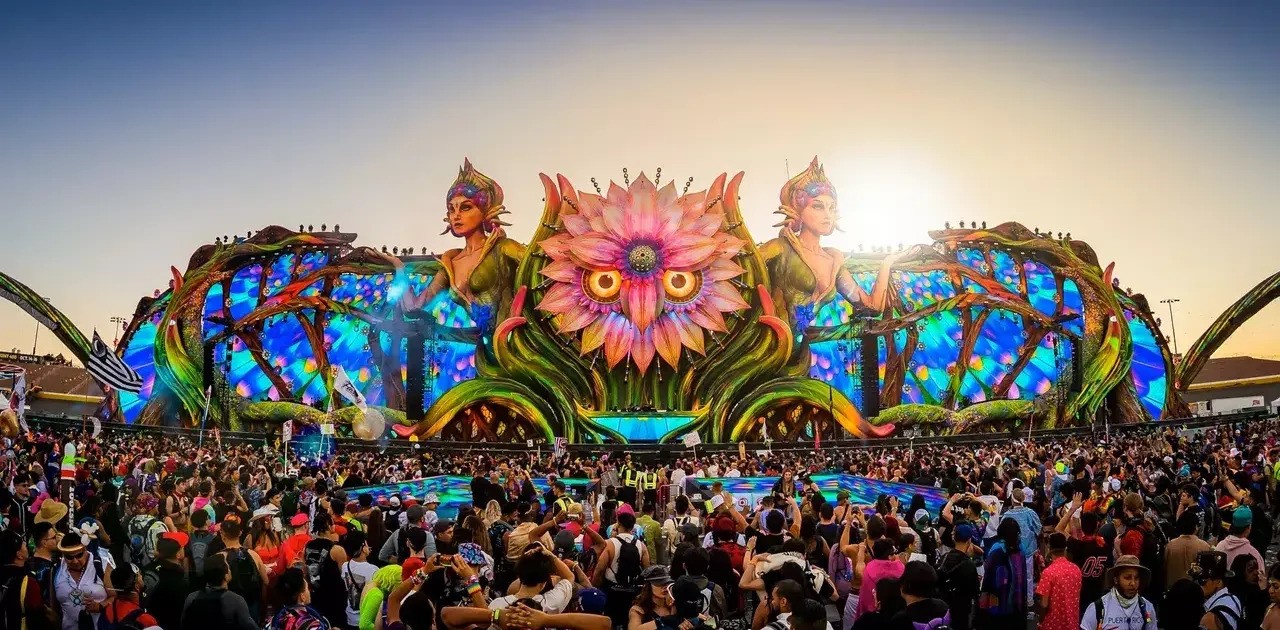
Electric Daisy Carnival Mexico, part of the global EDC brand, brings tens of thousands of EDM fans together in Mexico City. It’s like the Las Vegas version but smaller, with neon lights, fireworks, and several electronic dance stages.
The main venue is Foro Pegaso in Toluca, just a short trip from Mexico City. As Latin America’s biggest EDM festival, it features top DJs and impressive stage designs. Though it only started in 2017, it has quickly become a key event for EDM culture in the region.
19. Glastonbury Festival
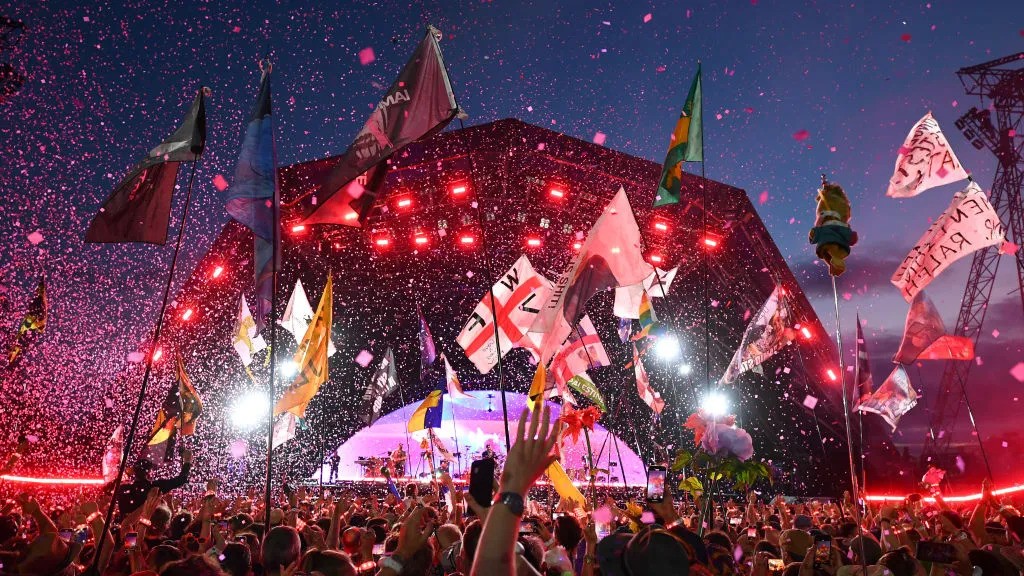
The Glastonbury Festival, or simply Glasto, is England’s biggest and most famous festival. It’s been running since 1970, with occasional breaks every five years. Held on a huge 1,500-acre farm, it attracts around 200,000 people each summer. While it’s known for major rock and pop headliners, it also includes dance, comedy, theatre, circus, and cabaret.
The festival is famous for its muddy fields, giant tents, and the laid-back Green Fields area, which reflect its 1960s counterculture roots. It also raises millions for charities through ticket sales. With dozens of stages, a Stone Circle, and healing fields, Glastonbury offers a one-of-a-kind cultural experience in the UK.
20. Roskilde Festival
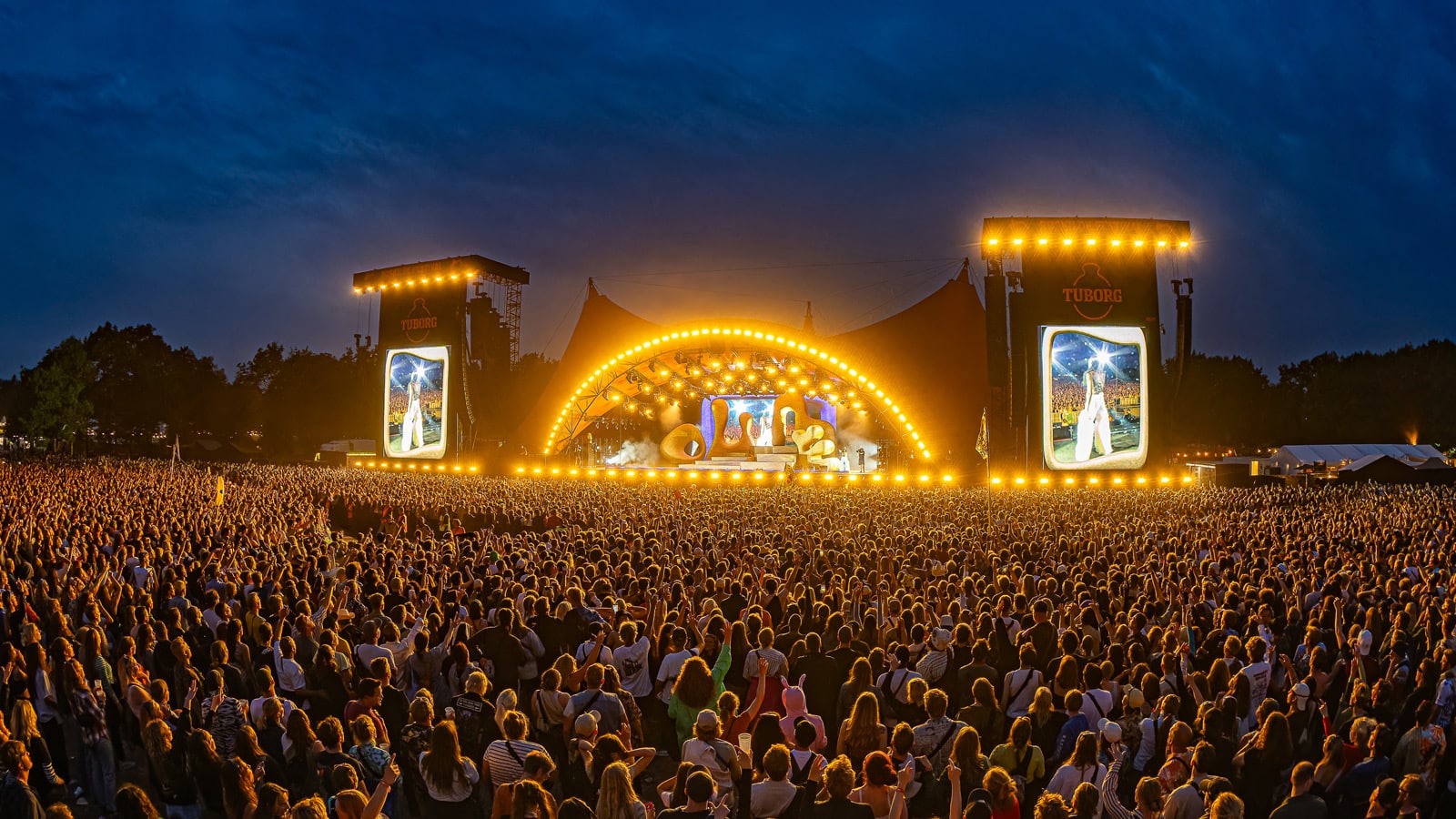
Roskilde, held south of Copenhagen since 1971, is one of Europe’s biggest music festivals. It lasts eight days - the first four feature local and Nordic acts, and the last four bring big international headliners. What makes it special is that it’s run by a non-profit foundation, with all profits going to music and humanitarian projects.
The festival has a long history, including a tragic accident in 2000 that led to major safety improvements. Today, Roskilde has four main stages spread across a massive campsite. The atmosphere is creative and community-focused, with thousands camping near the stages and volunteer “roamers” helping festival-goers.
Learn Also: How Can You Handle Large Festivals Like A Pro And Stay Organized?
21. Tomorrowland
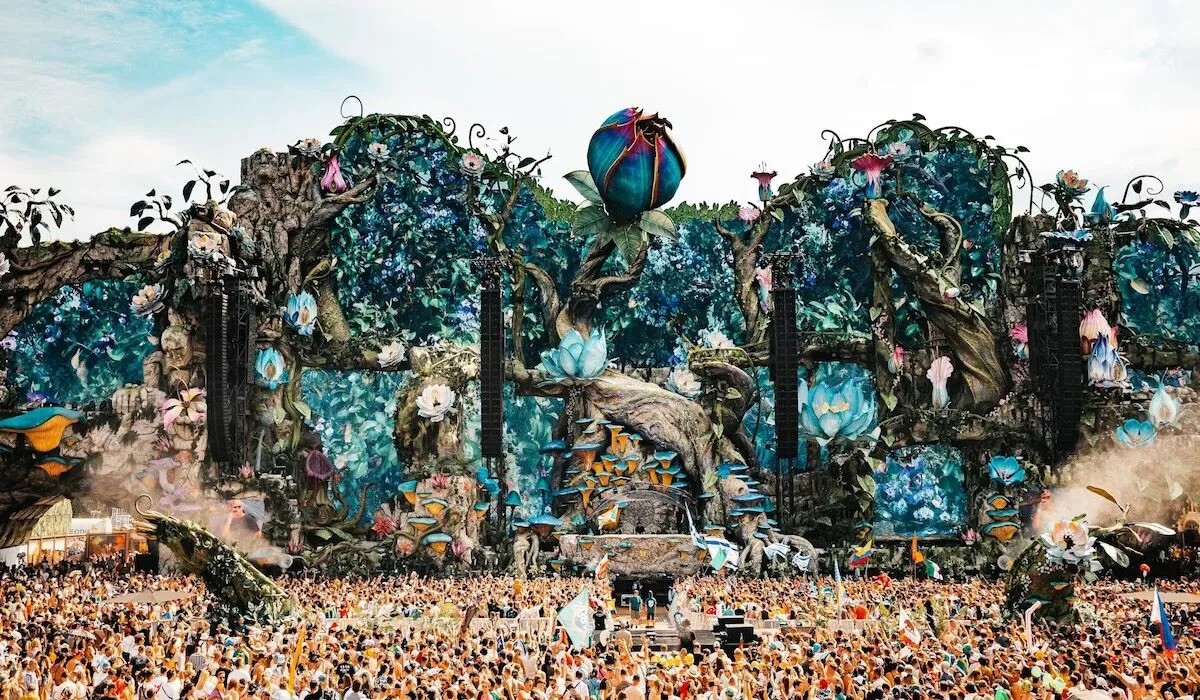
Tomorrowland is one of the world’s biggest electronic dance festivals, held each July in a former sand pit near Antwerp, Belgium. Around 400,000 people attend over two weekends. Every year has a special theme, with some of the most impressive stage designs anywhere. Fans come from all over the world - in one year, 92 different nationalities were represented.
Called the Belgian spectacle, it mixes top EDM DJs with stunning forest and castle-style decorations. Many stay in on-site camping for a full weekend experience. Tickets sell out in seconds worldwide, and some people even book special flight packages. Expect a bright, colorful atmosphere where the crowd’s neon outfits are almost as striking as the performances.
22. Sziget Festival
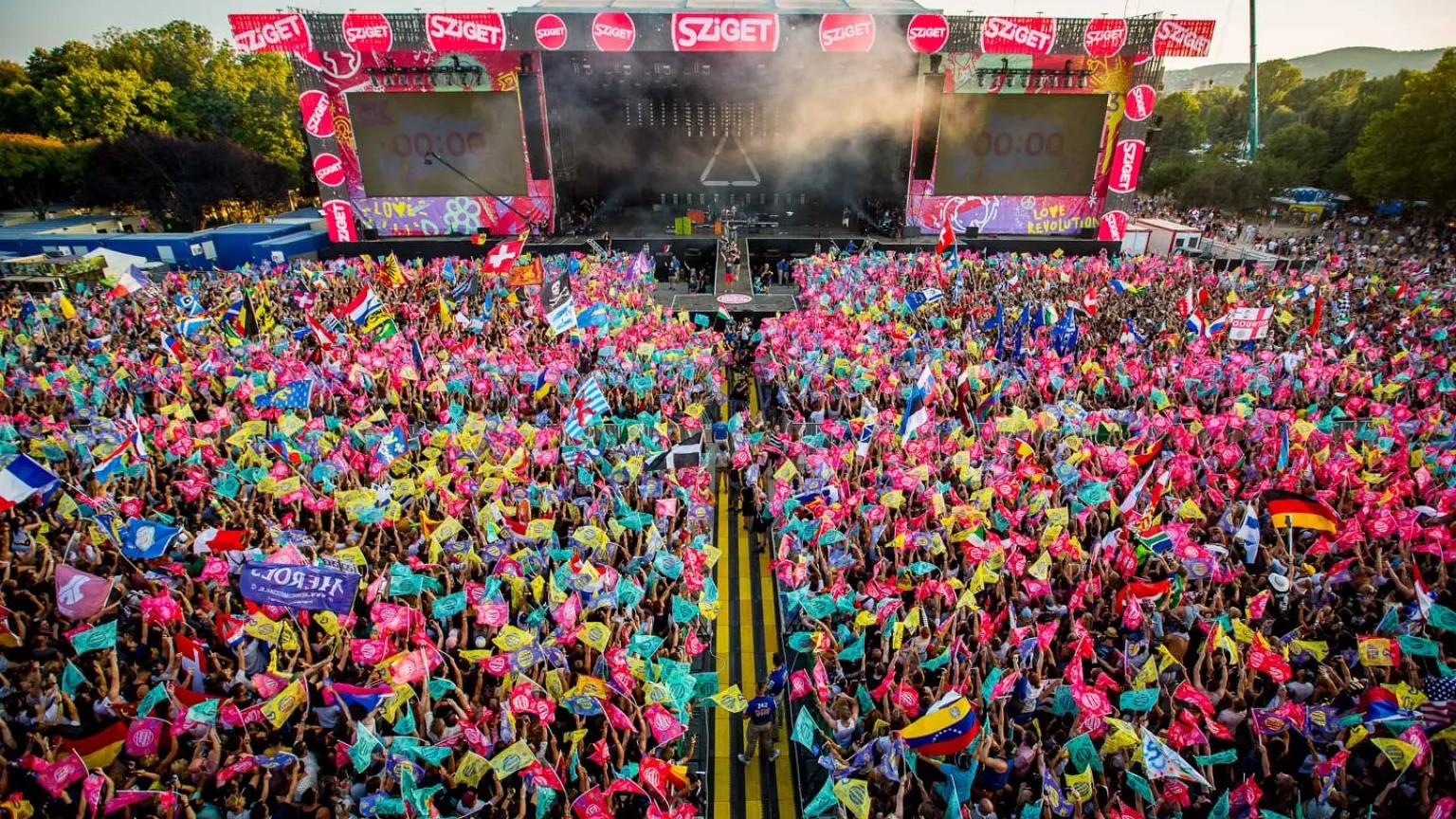
Sziget, meaning “Island Festival,” takes place each August on Óbuda Island and lasts seven days, drawing over 80,000 people a day. Known as “The Island of Freedom,” it features pop, rock, electronic, world music, and more. The festival is famous for its lively, party atmosphere, with many people staying for the whole week.
Alongside big international stars - like Muse and Ed Sheeran in 2019 - it also showcases Hungarian artists. Set on the Danube riverfront, it offers a beautiful backdrop and mixes mainstream music with art installations and unique shows like the Balloon Saga.
23. EXIT Festival
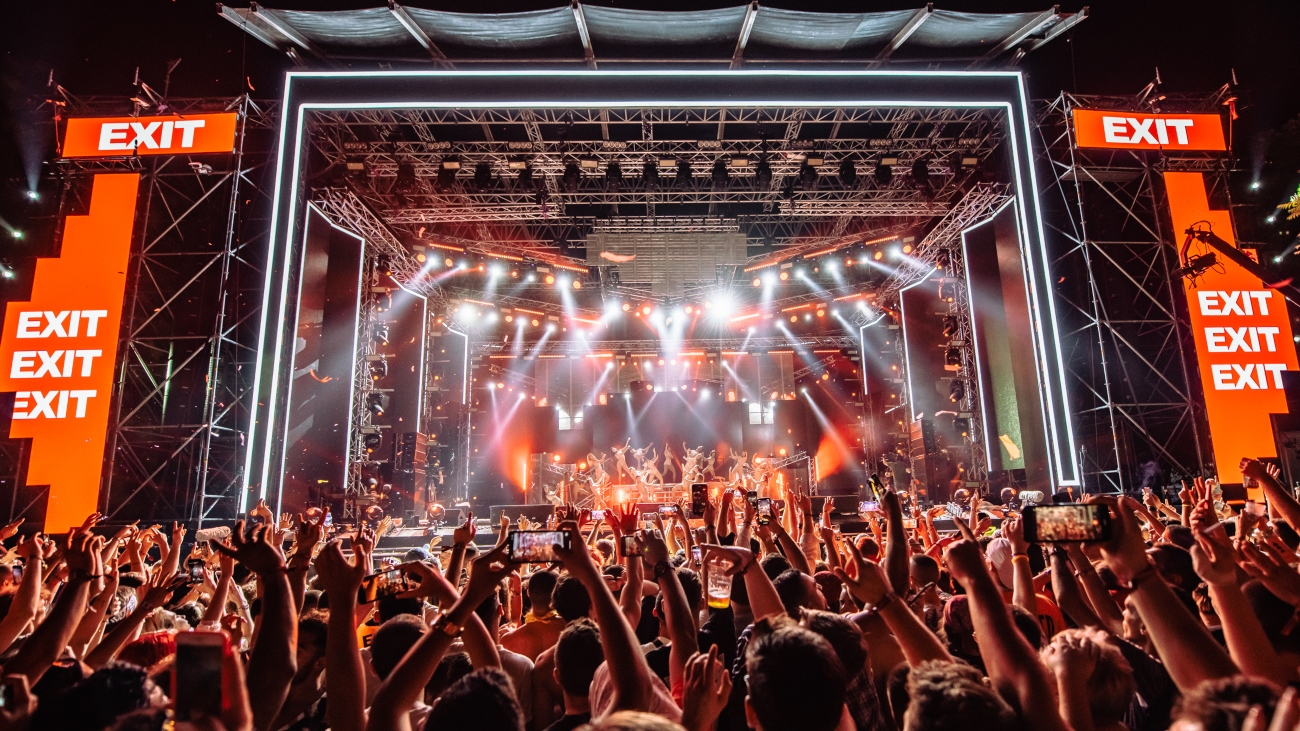
EXIT started in 2000 as a student protest for democracy at Petrovaradin Fortress and has grown into one of Eastern Europe’s top music festivals. Held each July, it runs for five days with big names in rock, EDM, and Balkan pop. The fortress setting is spectacular, with stages looking out over the Danube River.
The festival keeps its rebellious, multicultural spirit from its protest roots. Recent acts have included David Guetta, The Killers, and famous Balkan artists. Novi Sad is easy to reach, with many visitors coming by train from Belgrade, and the fortress’s winding layout makes exploring part of the experience.
24. Montreux Jazz Festival
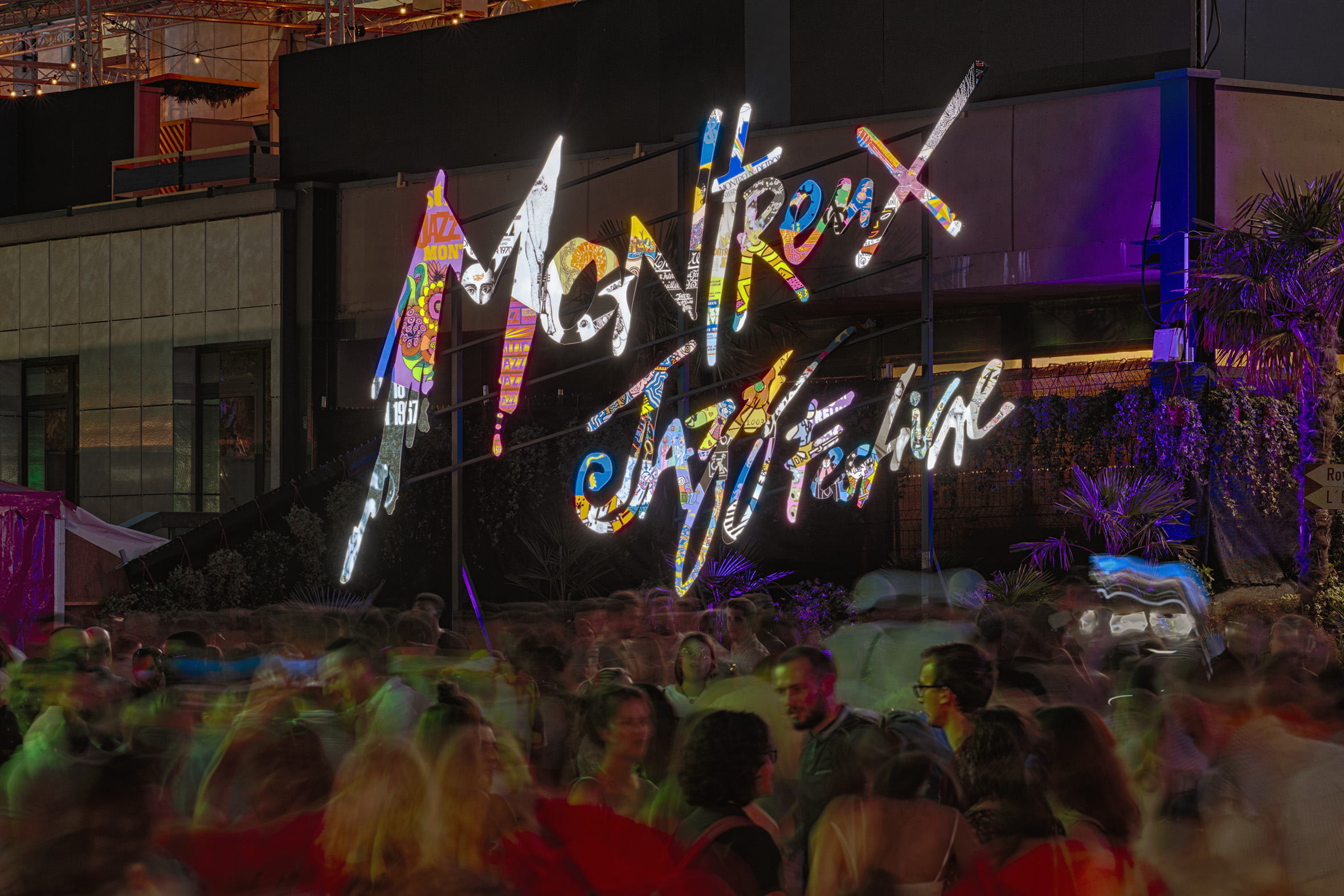
Montreux Jazz Festival began in 1967 on the shores of Lake Geneva and has grown into one of the world’s top music festivals. Held over two weeks in early July, it features both famous jazz artists and big rock and pop names. It’s known for its cosy indoor concerts in Montreux’s halls and clubs, as well as large outdoor shows.
Many performances highlight the subtleties of acoustic instruments - aficionados even note the warm tone produced by historic pianos and the care taken with each instrument’s piano mechanism, which can make intimate sets feel especially memorable.
Legends like Miles Davis and Aretha Franklin have performed here, along with modern rock acts. The lineup is always varied - jazz during the day and popular bands at night - all set against the stunning backdrop of the Geneva Alps and the lakeside promenade.
25. Primavera Sound
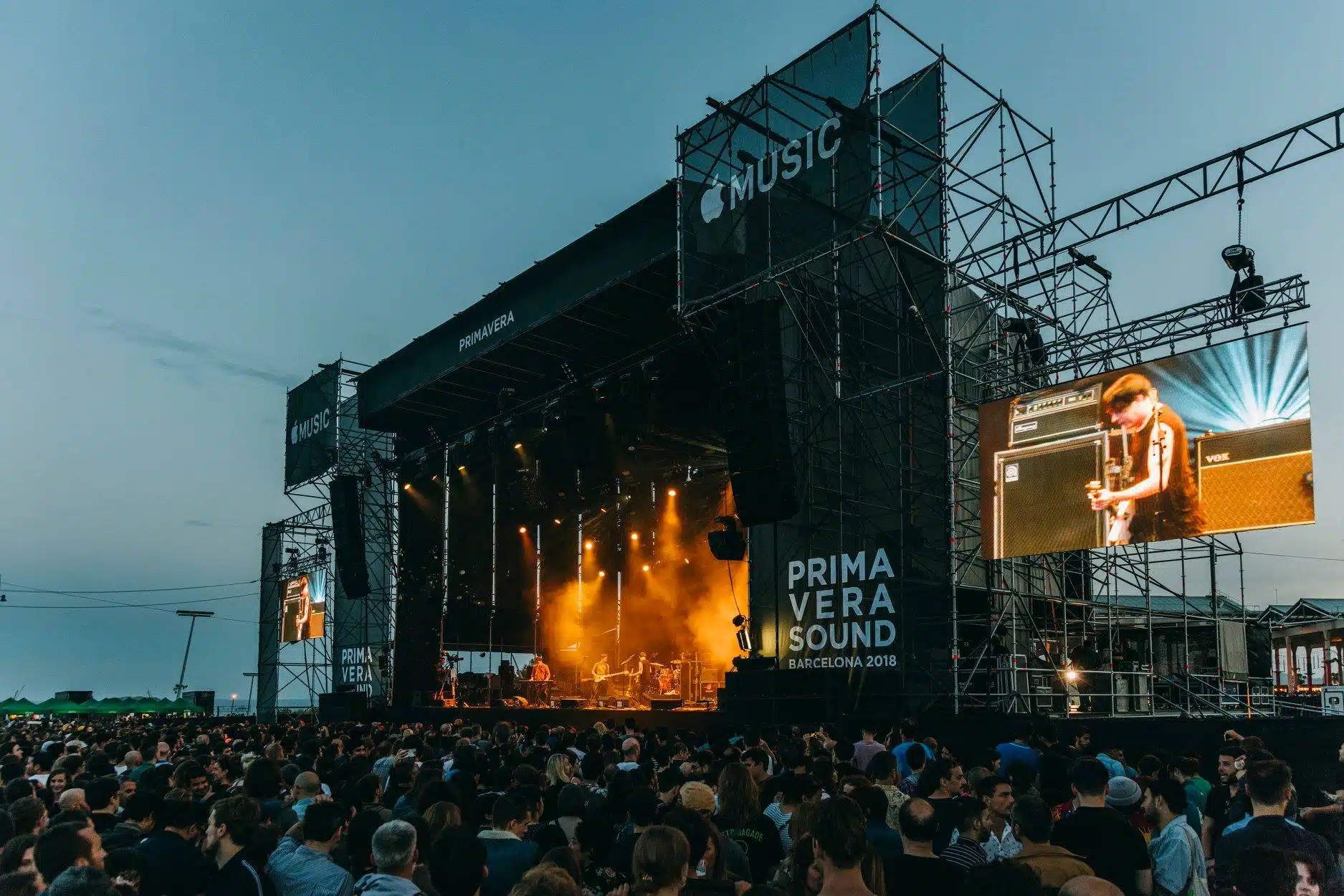
Primavera Sound, held in late May and early June in Barcelona, attracts around 300,000 people, with the 2022 edition reaching a record 460,500 - making it the 4th most attended festival in the world that year. Once mainly indie and alternative, it now includes hip-hop, pop, and electronic music.
Set at the beachfront Parc del Fòrum, it features both legendary indie acts and cutting-edge artists. In 2019, it gained attention for introducing gender-balanced lineups. Unlike rural European festivals, most attendees stay in city hotels, and its late-night schedule - with headliners playing until 6 AM - gives Primavera a vibrant, urban energy.
26. Benicàssim Festival (FIB)
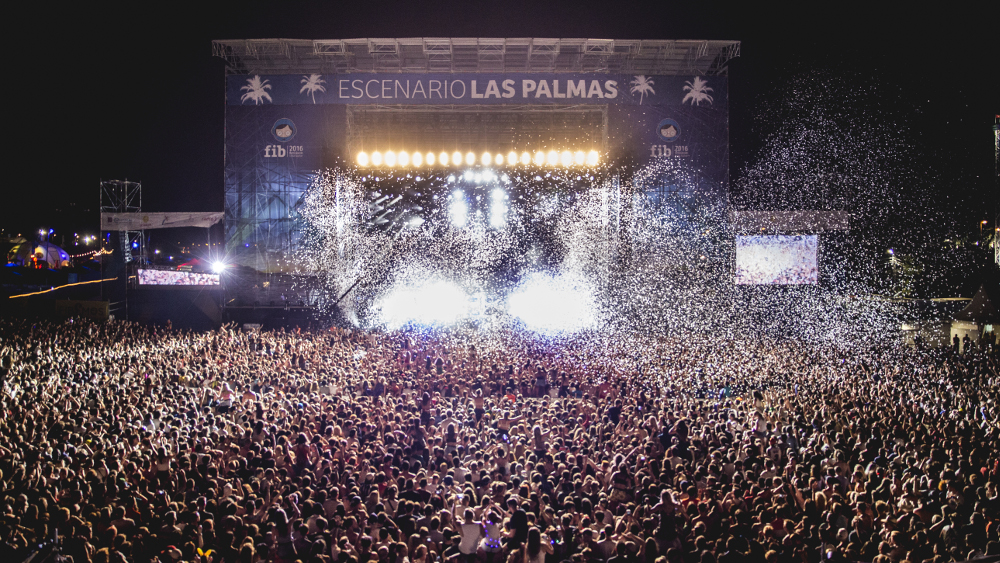
FIB, held each August on Spain’s Costa del Azahar, is a seaside festival that’s been running since 1995. Known for its mix of indie rock and dance music, it often features major international acts. More than 50,000 people attend each year, enjoying the relaxed Mediterranean vibe. Festival-goers can spend the day at beach club events and then head to night concerts in grassy fields, making FIB a perfect blend of music and seaside leisure.
27. Reading Festival
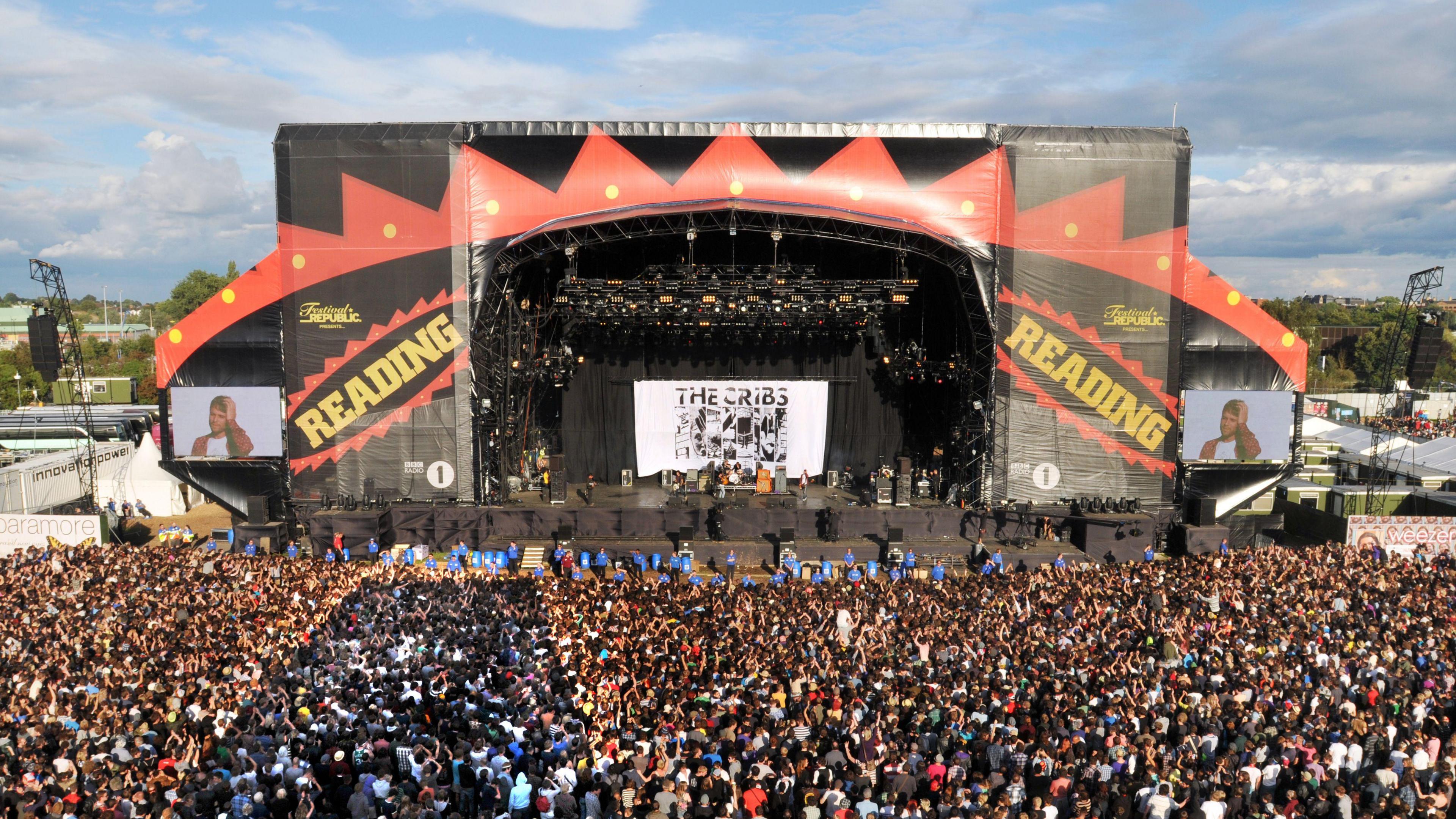
Reading Festival, one of Britain’s oldest modern music events, takes place each August bank holiday alongside its twin in Leeds. It’s a three-day celebration of rock, alternative, and metal, attracting nearly 90,000 people per day.
The two festivals share the same headliners, with acts swapping locations between Reading and Leeds on different days. Reading’s main stage has hosted legends like Nirvana and The Strokes. The atmosphere is lively and a bit wild, with most fans camping on-site and mixing with long-time UK rock enthusiasts.
28. Leeds Festival
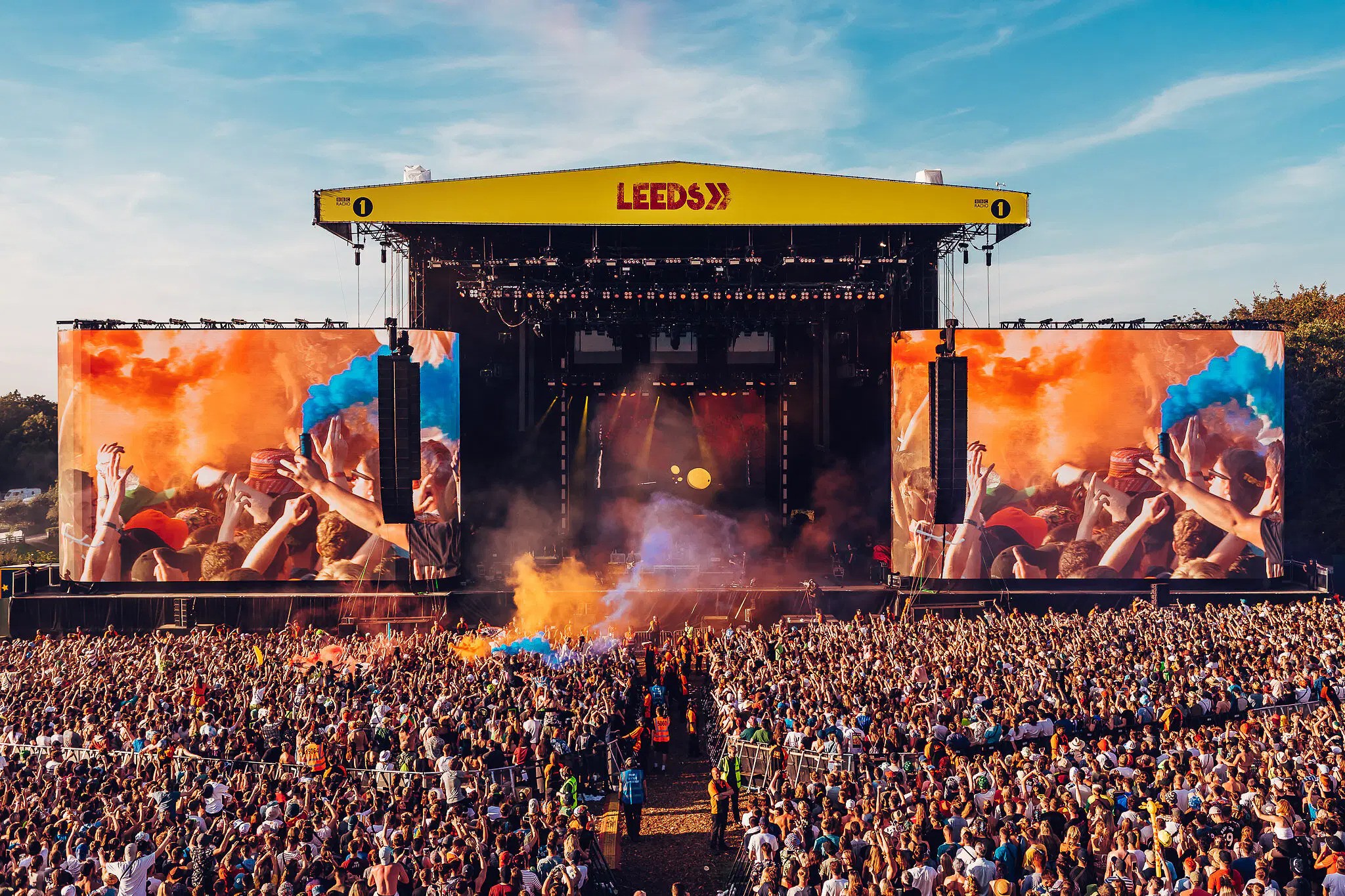
Leeds Festival runs at the same time as Reading Festival, with both sharing the same lineup. Held at Bramham Park, it has a similar setup and keeps alive Reading’s classic British rock spirit. Many festival-goers head into Leeds city centre after the shows to keep the party going.
29. Wireless Festival
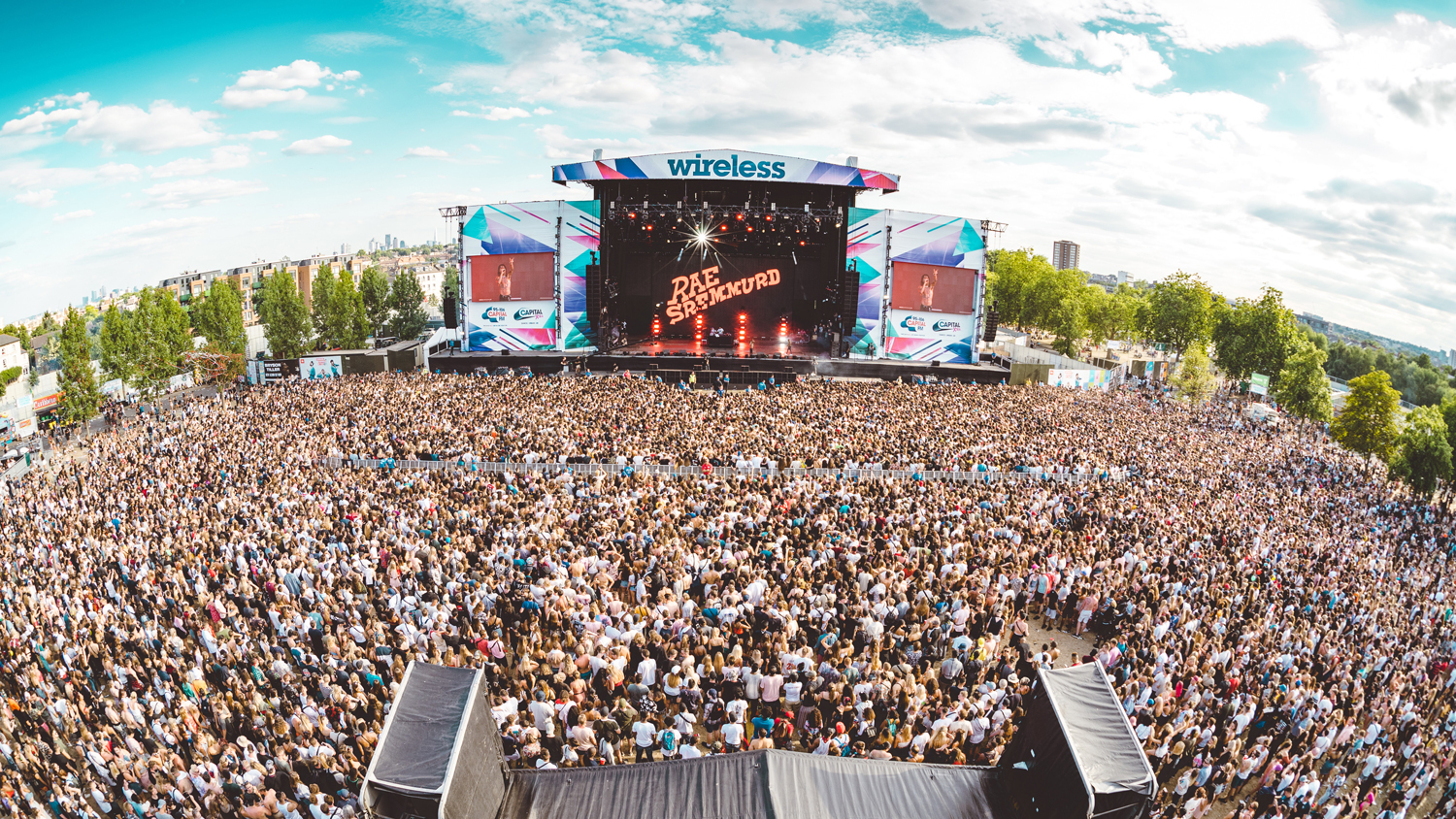
Wireless, held each July in London’s Finsbury Park, is the city’s biggest urban music festival. Focused on hip-hop, R&B, and dance, it has hosted stars like Drake, Rihanna, and Skepta.
Around 50,000 people attend each day, enjoying a high-energy party atmosphere with pyrotechnics and top MCs. Easy to reach by Tube or bus, it’s a favourite for locals who want a big festival experience without camping, especially fans of modern pop and urban music.
30. Isle Of Wight Festival
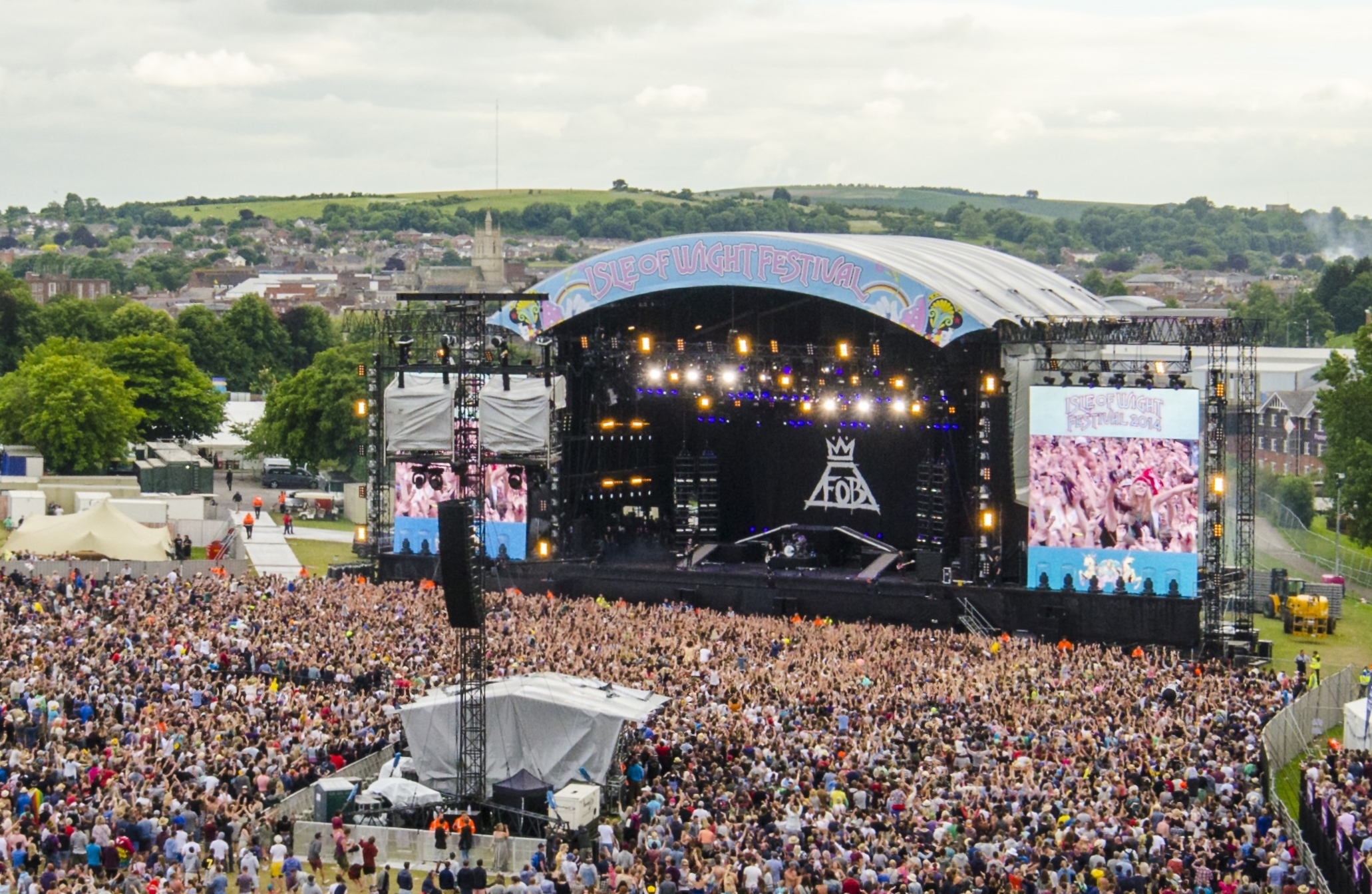
The Isle of Wight Festival, first held in 1968 and made famous by Jimi Hendrix at the original Peace Festival, was revived in 2002 and now takes place each June. Up to 60,000 people attend, enjoying rock and pop headliners in the scenic Seaclose Park by the Solent Strait.
Many campers arrive by ferry, adding to the holiday vibe. Past acts have included Queen + Adam Lambert and Rod Stewart. With its rich history and island setting, the Isle of Wight Festival is a cherished British tradition.
31. Download Festival
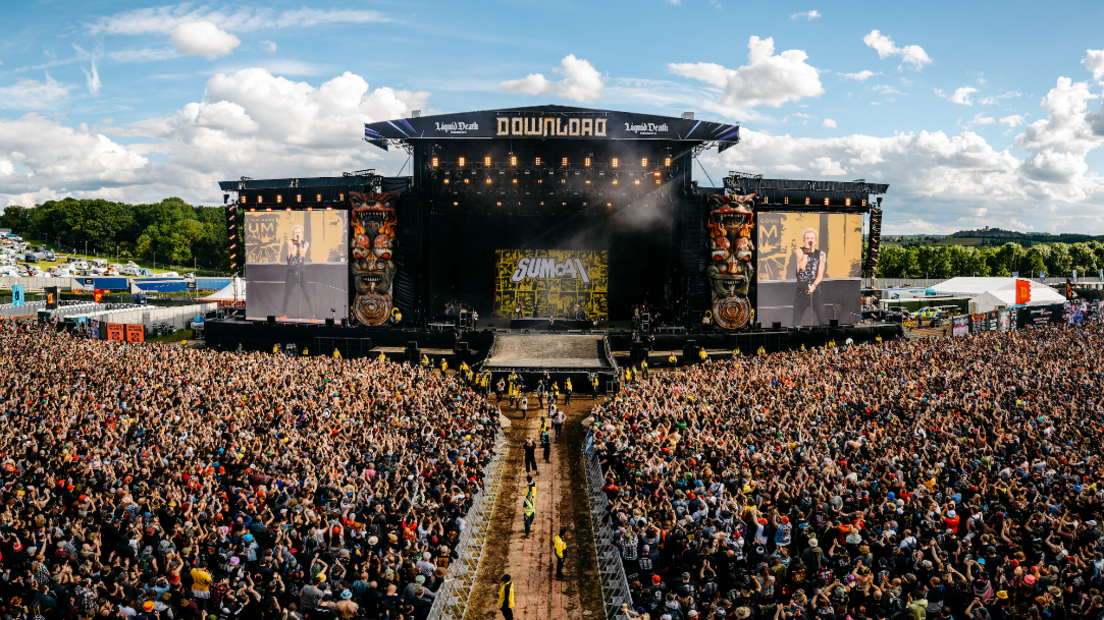
Download, held every June at Donington Park, is a four-day celebration of hard rock and heavy metal. Known as the successor to the old Monsters of Rock festival, it regularly features huge names like Iron Maiden, Metallica, and Slipknot. Around 100,000 fans attend, with many camping in the often muddy fields. The atmosphere is loud, intense, and devoted - making Download a legendary event for anyone who loves big riffs and mosh pits.
32. Boomtown Fair
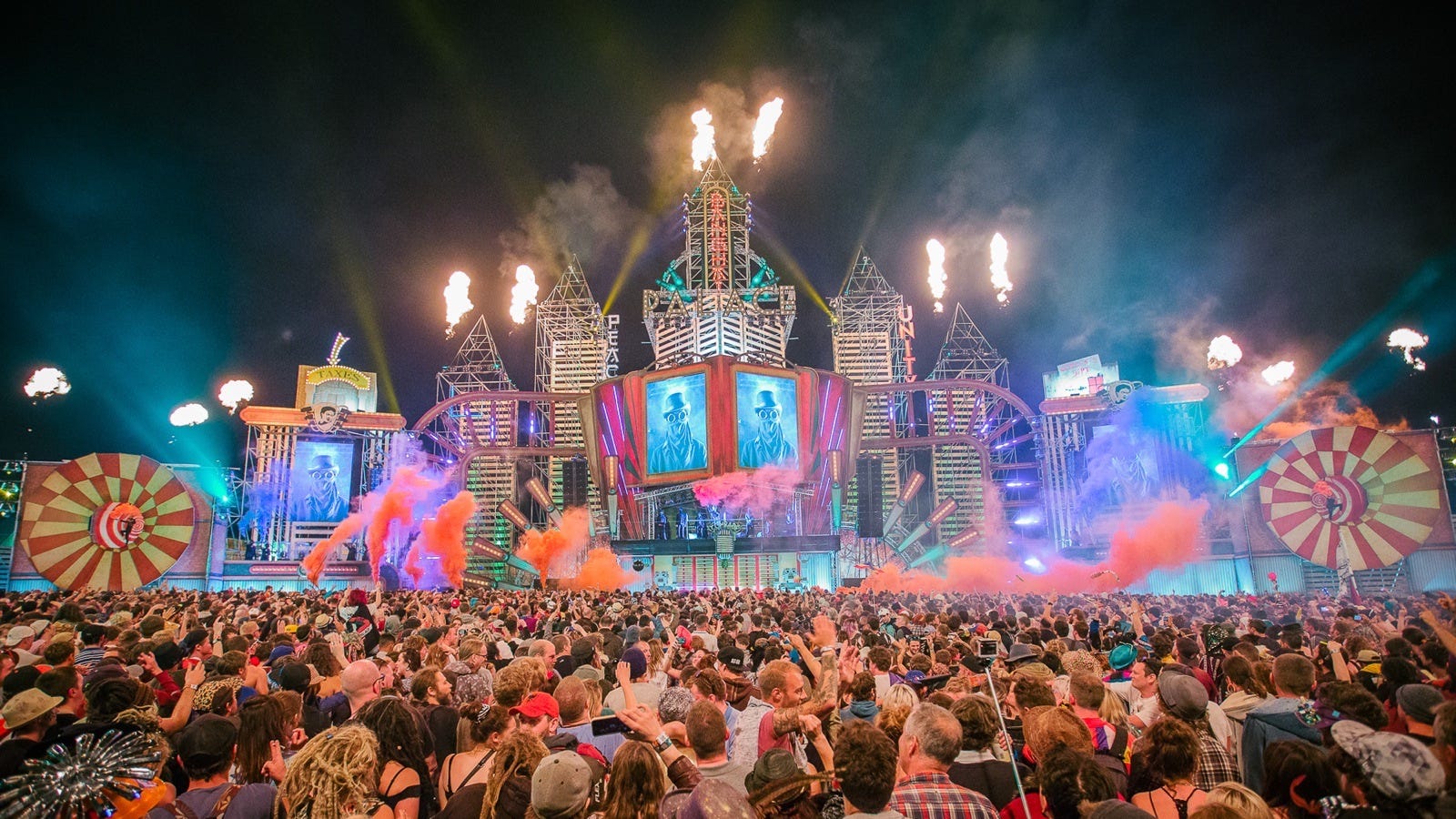
Boomtown, held each August in the UK, is a themed, story-driven festival that mixes music with an immersive, city-like setting. Stages are designed as different “neighbourhoods,” such as pirate docks or neon wastelands, and the lineup spans rock, reggae, drum’n’bass, folk, hip-hop, and electronic.
Performers in costume roam the streets, adding to the sense of stepping into another world. Known as one of the UK’s most creative festivals, Boomtown feels like a living, breathing mini city built for music and imagination.
33. Wacken Open Air
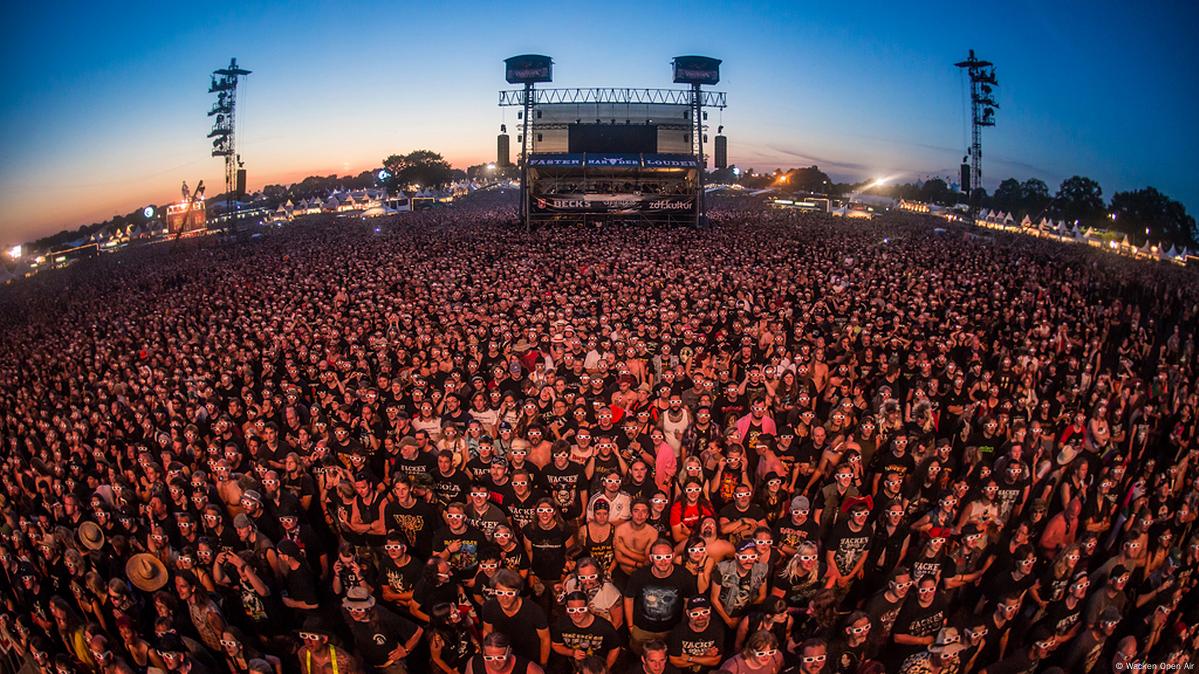
Wacken, held each early August in Germany’s Schleswig-Holstein, is the biggest heavy metal festival in the world. Since 1990, it has attracted around 85,000 fans to see legends like Judas Priest and Slayer. Beyond the music, it’s known for its welding booths, tanks, and “Wacken Winter Nights” style atmosphere.
Many fans camp in Viking outfits, making it feel like a metal-themed village. With dozens of stages covering everything from black metal to power metal, Wacken is a bucket-list experience for any metal fan thanks to its size, energy, and spectacle.
34. Fuji Rock Festival
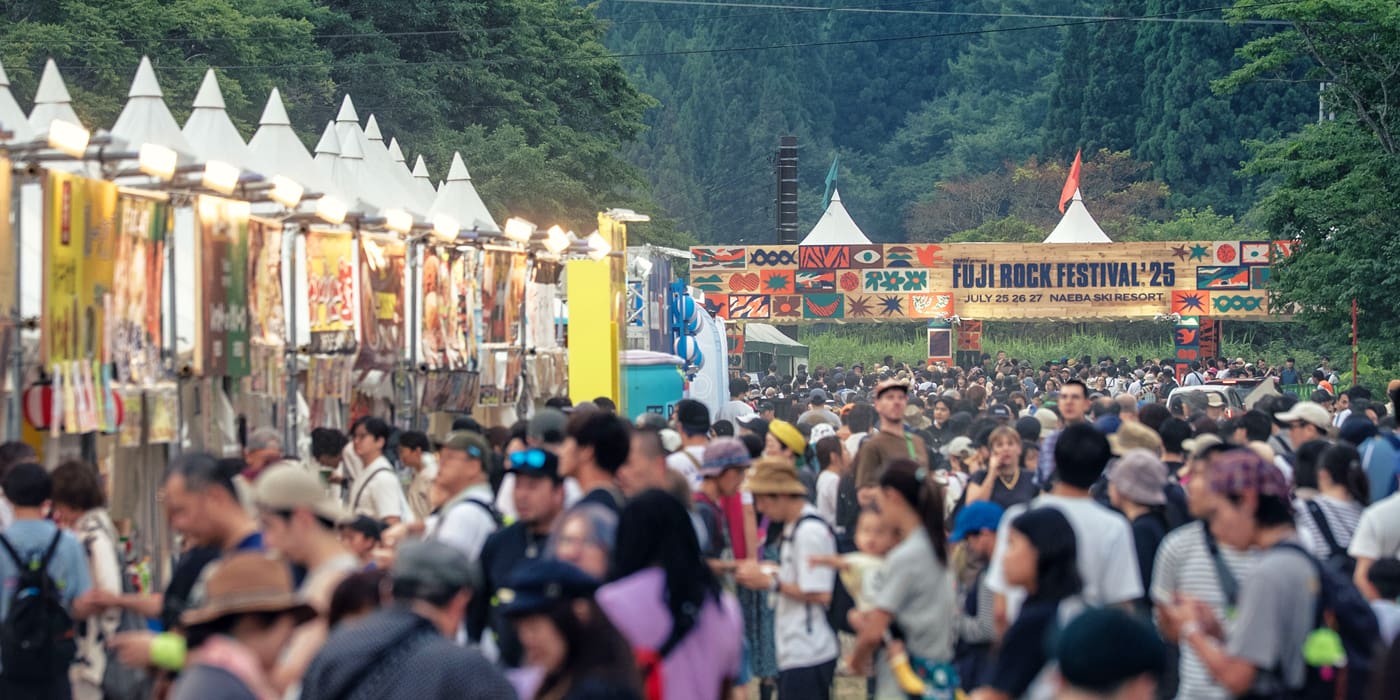
Fuji Rock, held on the last weekend of July in the mountains of Niigata Prefecture, is Japan’s biggest outdoor music festival. First staged in 1997 and moved to Naeba Ski Resort in 1999, it runs for three days with over 200 Japanese and international acts, mainly rock and electronic. In 2005, it drew more than 100,000 people. Set in alpine forests and muddy fields, it offers a scenic - and sometimes rainy - atmosphere.
Days are filled with rock shows on the “Green Stage,” while nights bring dance music to the “White Stage” tent. Walking between stages through woods and over streams gives Fuji Rock a refreshing, nature-filled feel that’s rare among urban festivals.
35. Summer Sonic Festival
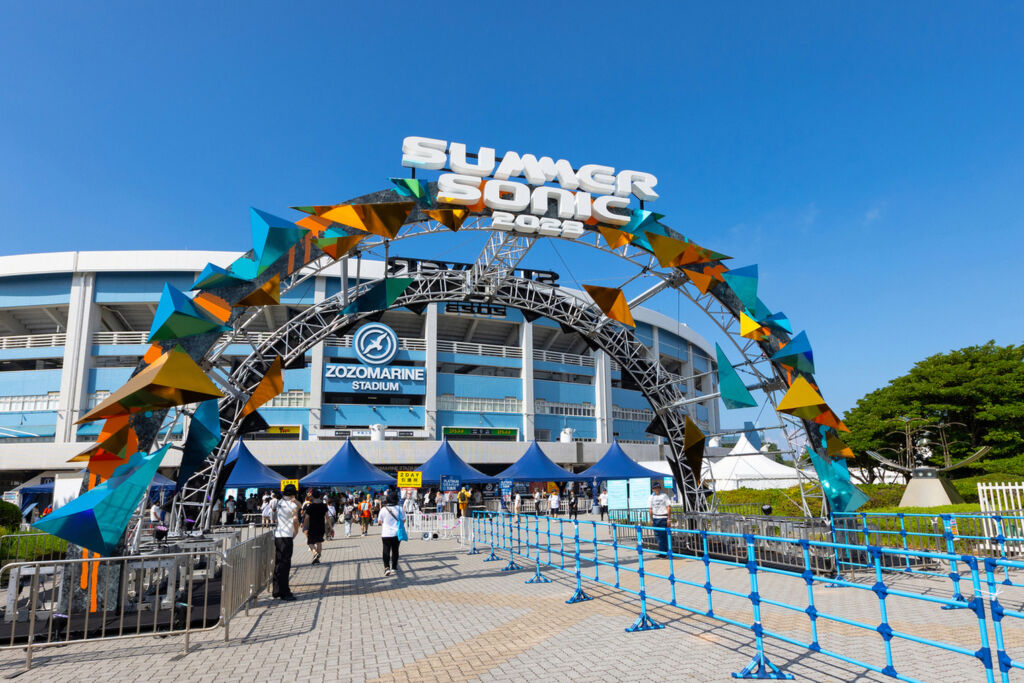
Summer Sonic takes place in early August, split between Tokyo’s city venues and Osaka’s Maishima. The lineups are the same in both cities, so fans can see a band in Tokyo one day and another in Osaka the next. The festival covers multiple genres and is known for bringing big Western acts to Japan.
Over 200,000 people attend across both cities over two days. Many fans relax on the grass with picnics while enjoying the music. True to Japan’s style, the stages are run with top-notch production and perfect punctuality.
36. ZoukOut
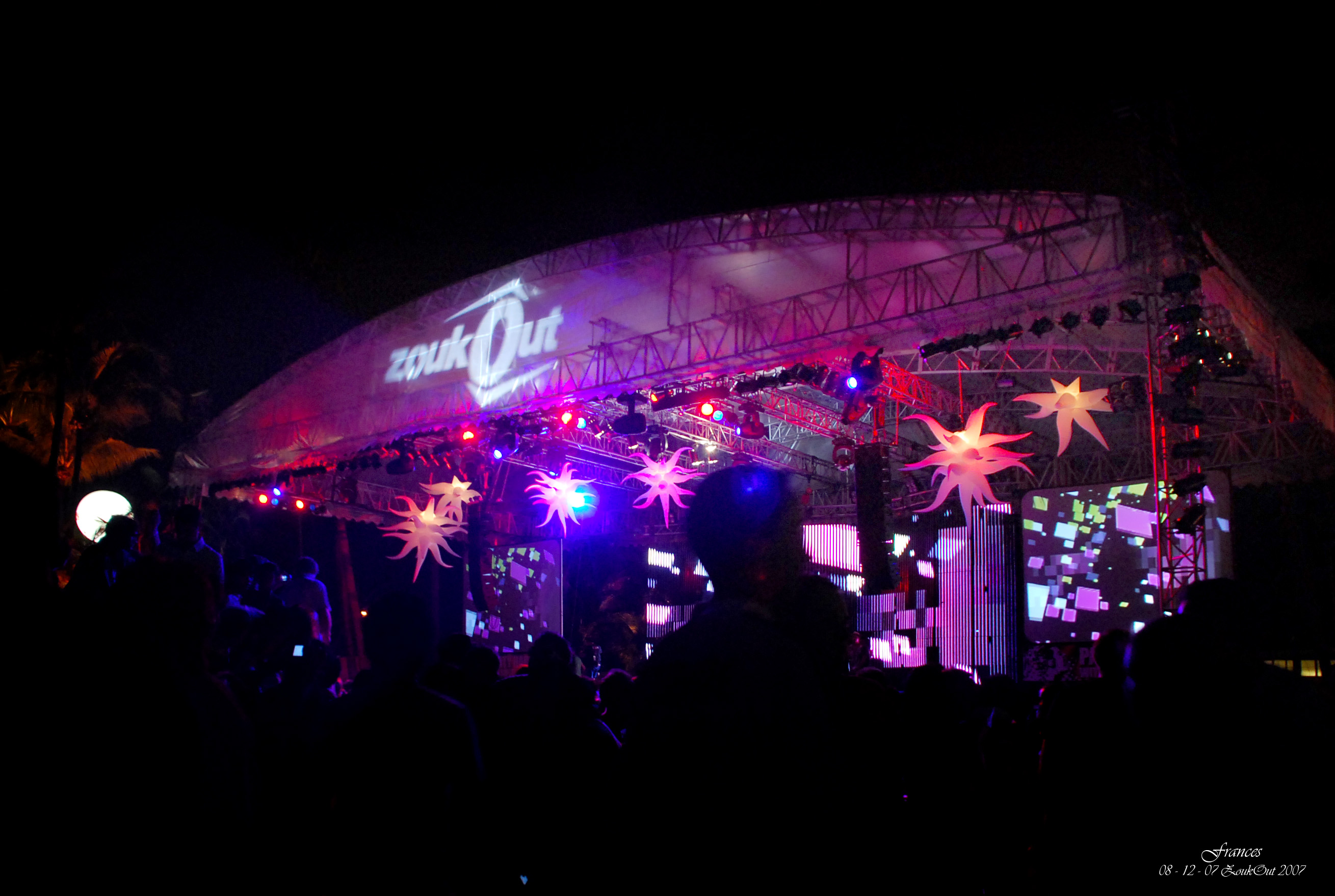
ZoukOut is a huge beach EDM festival held every December on Siloso Beach, Sentosa Island. Created by Singapore’s Zouk nightclub, it attracts over 50,000 fans who dance all night under the stars.
Top DJs lead the party, with music playing right on the sand. Its tropical island setting - complete with palm trees and ocean views - makes it stand out from city festivals, and it’s famous for its top-quality sound and production.
37. Ultra South Korea
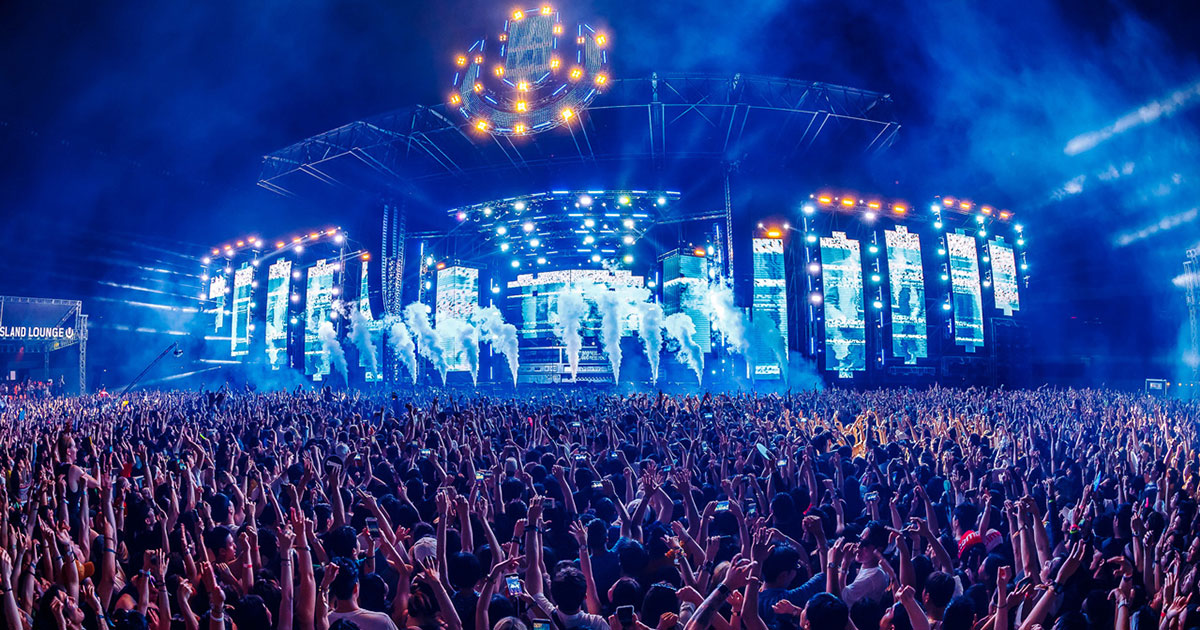
Ultra Korea, part of the global Ultra Worldwide brand, is held each June at Seoul’s Olympic Park. It draws tens of thousands of local and international fans for big-name EDM acts, alongside K-pop and K-hip-hop performances on separate stages.
In 2023, around 100,000 people attended over two days. The festival combines massive global production with a city setting, which is unusual in Asia where many large festivals take place in rural areas. This mix reflects Korea’s diverse and dynamic music scene.
38. Sunburn Festival
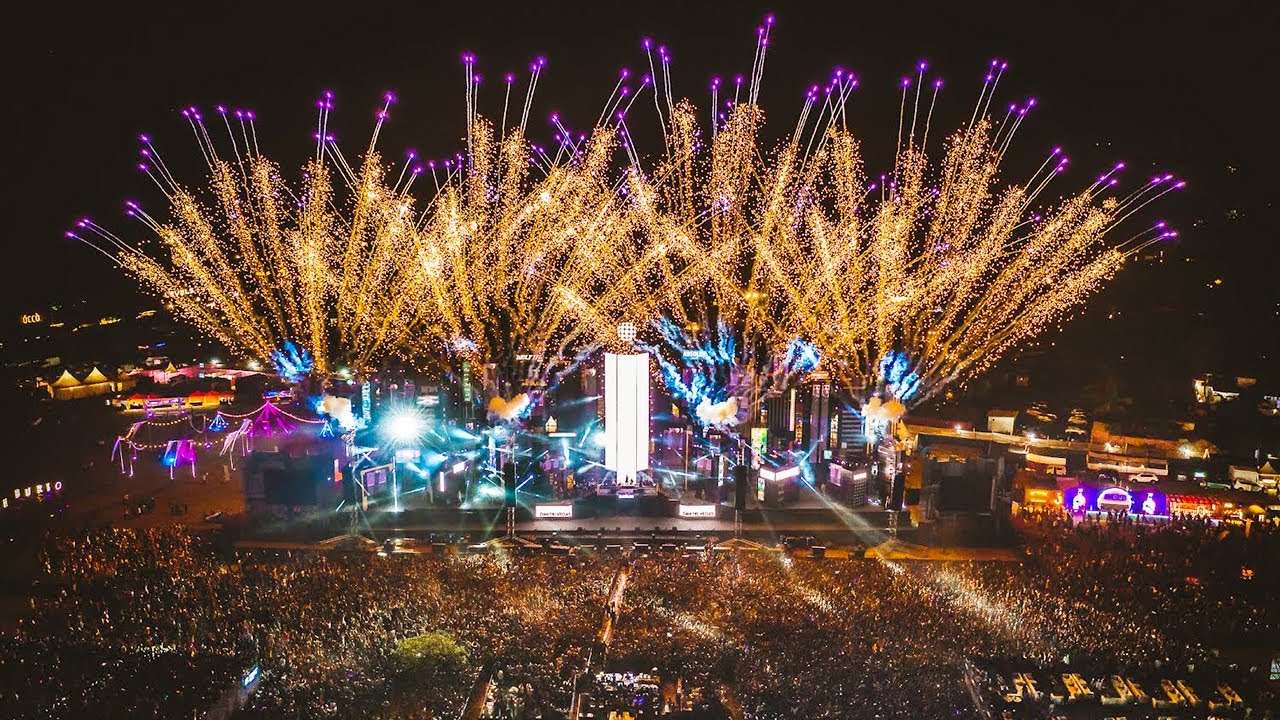
Sunburn is Asia’s biggest EDM festival and one of India’s largest music events. Held in Goa over New Year’s Eve since 2007, it attracts more than 60,000 fans from India and around the world.
The festival showcases top DJs and dance acts on beachside stages, creating a lively holiday atmosphere. Many visitors pair it with a New Year beach getaway, enjoying sunsets, tropical weather, and a party vibe that makes Sunburn a unique global festival experience.
39. NH7 Weekender
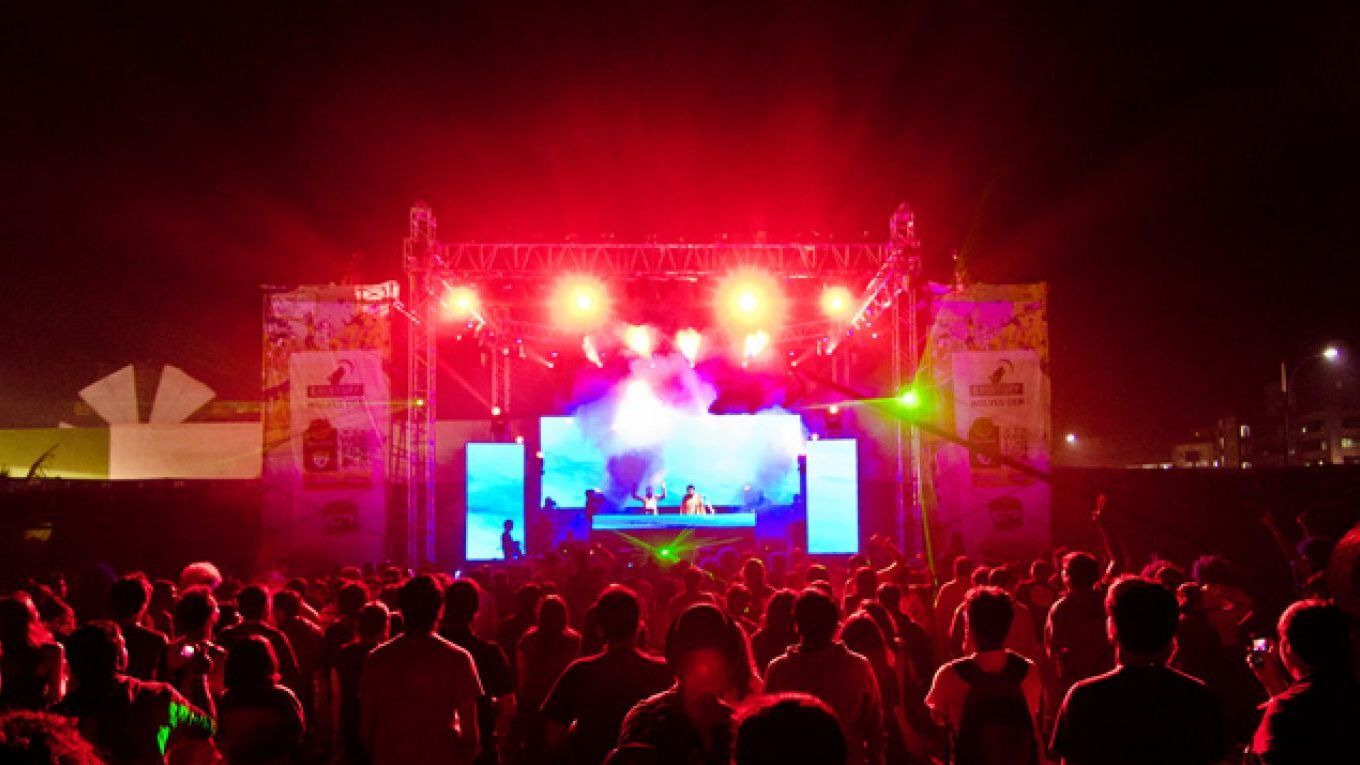
Called “India’s happiest music festival,” NH7 is held in November and December across several cities, including Pune, Delhi, Kolkata, and sometimes Hyderabad. It features a mix of rock, electronic, indie, and regional music, with lineups that are both diverse and socially conscious. Each city edition draws 15,000-20,000 people. The festival is known for promoting Indian independent artists and creating a joyful, welcoming atmosphere, with colourful stages and plenty of local food.
40. Clockenflap
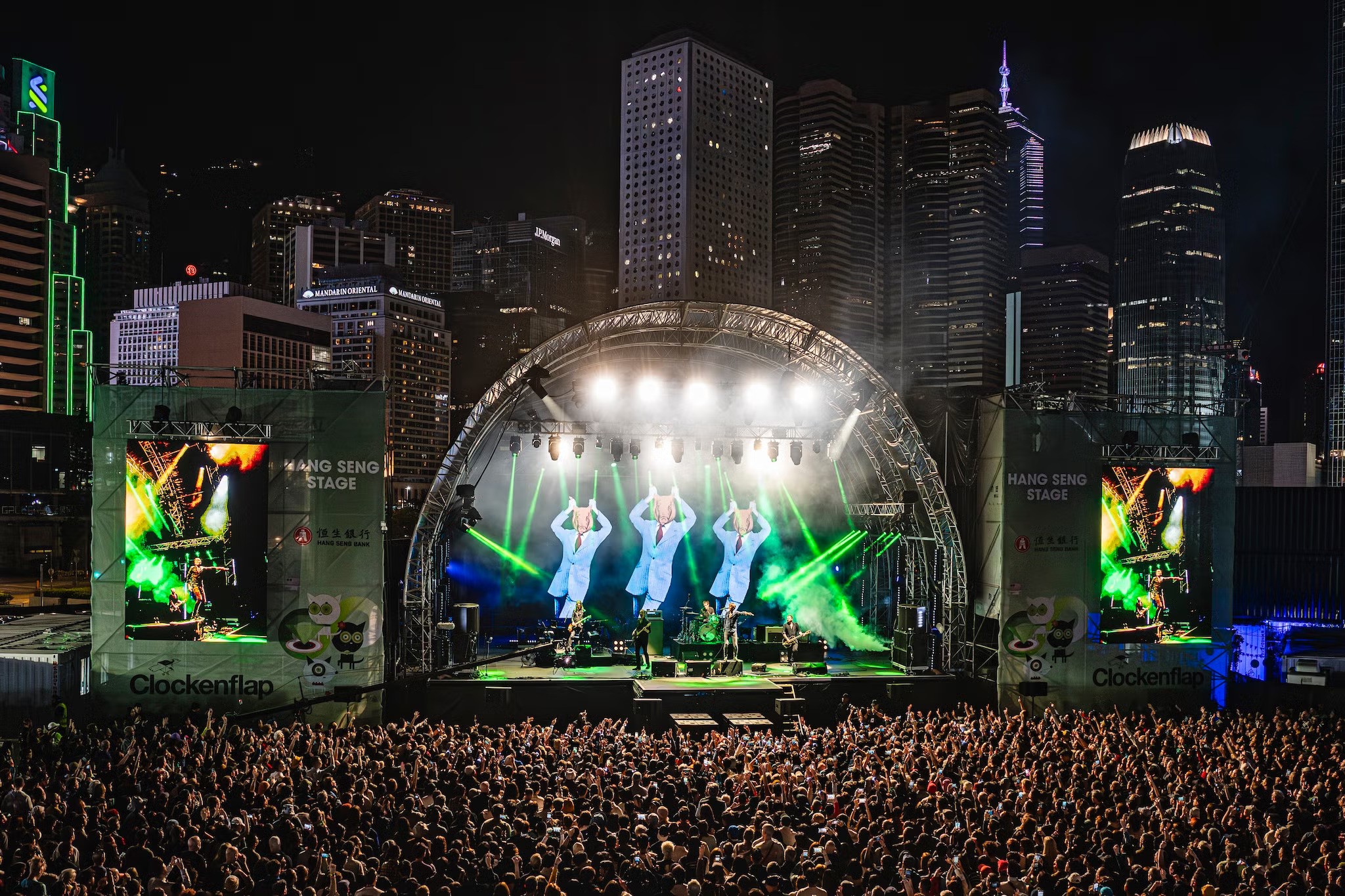
Clockenflap is a three-day festival held each October in Hong Kong’s Victoria Park. It’s known as the city’s top music event, blending Western and Asian indie acts across rock, electronic, and world music. Around 35,000 people attend, enjoying the unique setting where skyscrapers frame the park and the city’s energy is everywhere.
After returning in 2022 from a break, it showed that Hong Kong’s love for festivals is still strong. Alongside the music, Clockenflap features art installations and films, making it a true East-meets-West cultural experience in Asia’s world city.
41. Splendour In The Grass
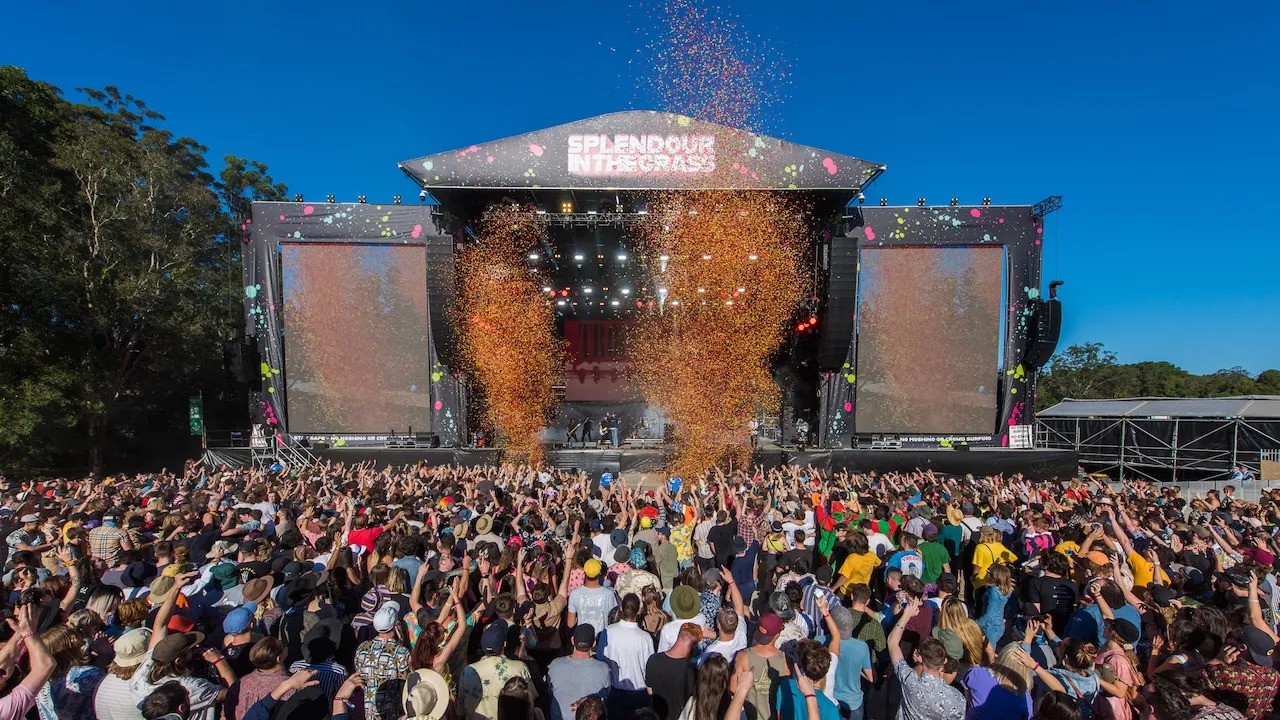
Every July, this weekend festival turns a rural spot in New South Wales into a lively music and arts village. Around 20,000 people - both campers and day visitors - come to see indie rock, hip-hop, and electronic acts, with past headliners like Tame Impala and Flume.
Splendour is famous for its laid-back coastal feel, where crowds relax on grassy hills with ocean breezes. Beyond music, there are comedy shows and art installations. Since it’s held in the Australian winter, nights can be cold, so warm clothes are a must. The mix of nature, camping, and top music is what makes Splendour a favourite.
42. Falls Festival
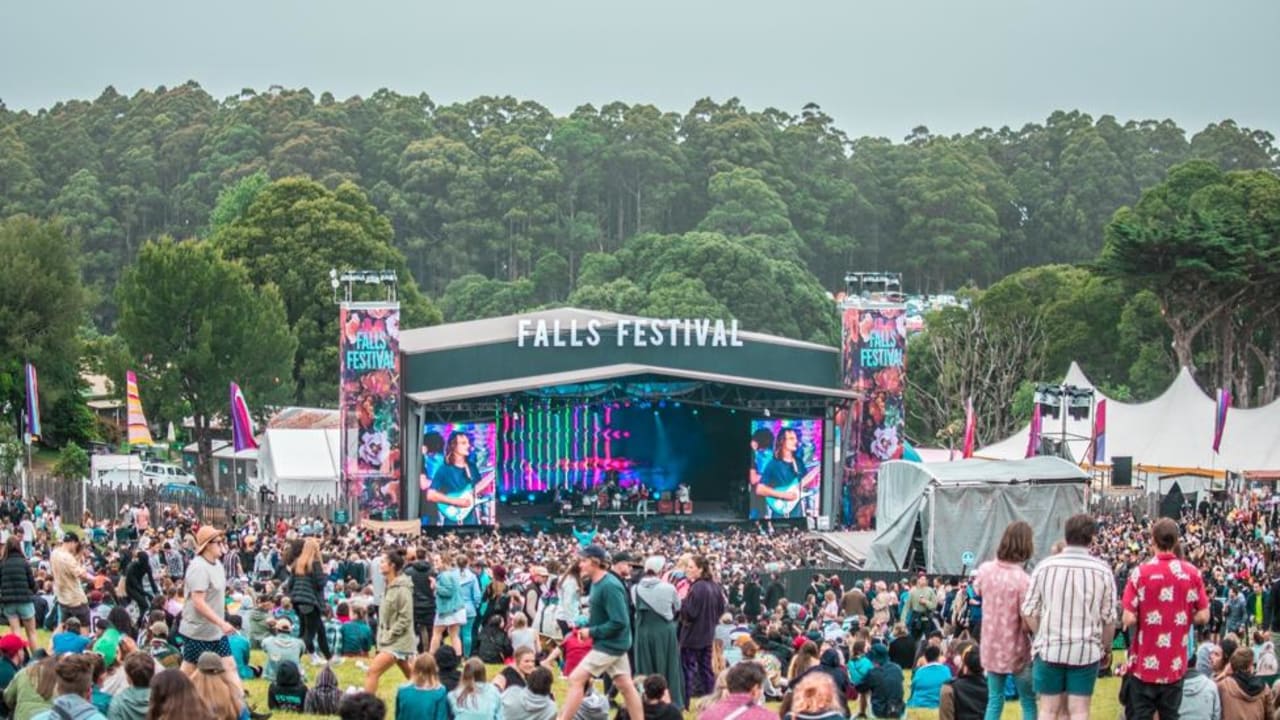
Falls is a New Year’s Eve festival held in several Australian spots, including Lorne (VIC), Byron Bay (NSW), and Melbourne. It features a mix of pop, rock, and electronic music, with major international and local performers. Many festival-goers camp by the beach or stay in town, and the New Year’s Eve fireworks are a highlight. With its holiday timing and variety of music – from indie bands to EDM DJs - Falls attracts a wide range of people and makes for a festive way to end the year.
43. Laneway Festival
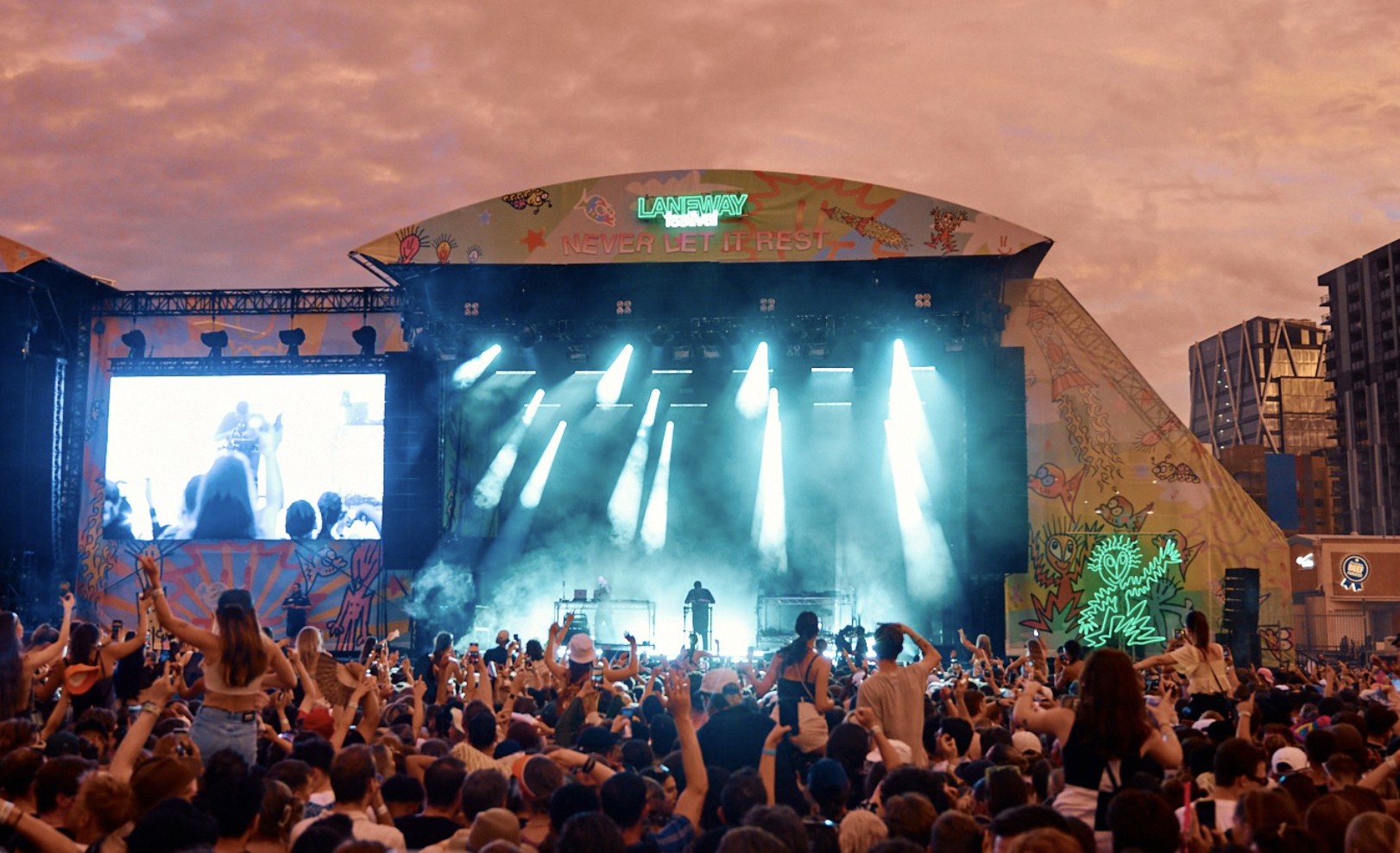
Laneway is a travelling festival held each January across Australia and New Zealand. It focuses on indie, alternative, and hip-hop music, and has helped introduce big names like The Strokes and Lorde to local fans.
Each city - including Sydney, Melbourne, and Auckland - draws over 20,000 people a day, yet the festival keeps an intimate vibe by using inner-city parks. Known for mixing cutting-edge international acts with up-and-coming local talent, Laneway takes its name from the idea of discovering indie bands in small city laneways.
44. WOMADelaide
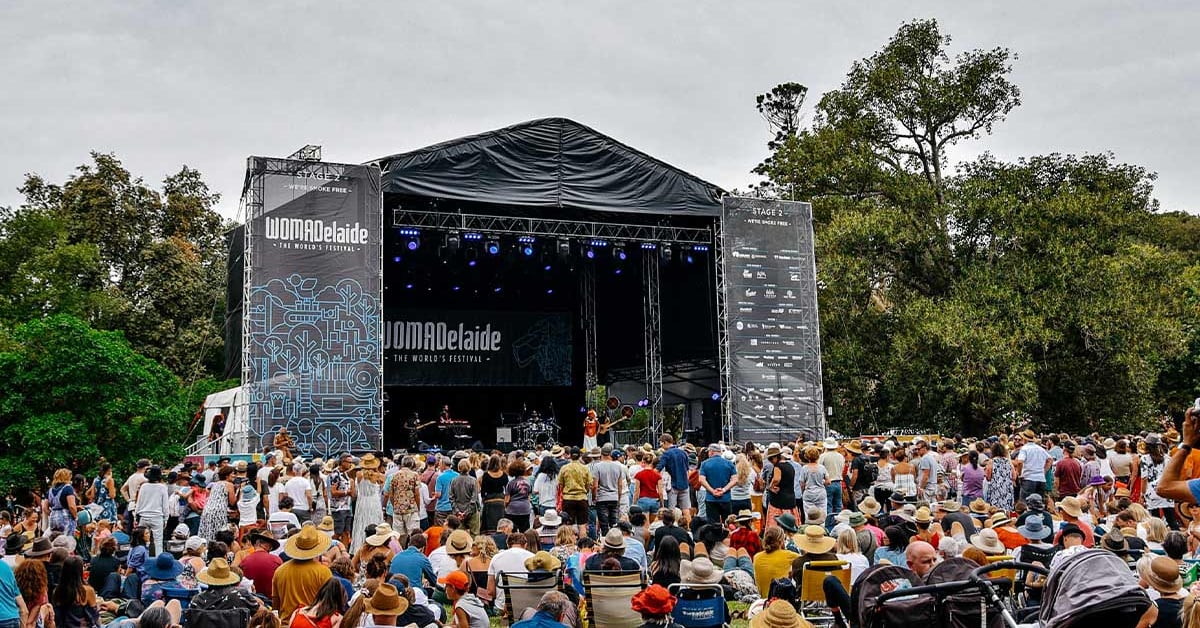
WOMADelaide is part of the global WOMAD (World of Music, Arts and Dance) festival series. Held every March in Adelaide’s Botanic Park, it runs for four days and showcases folk and world music from all over the globe.
Artists come from Africa, Asia, the Americas, and beyond, with past acts including Angelique Kidjo, tributes to Nusrat Fateh Ali Khan, and local Aboriginal performers. Visitors can enjoy live music, craft markets, and food from many cultures. It’s family-friendly, culturally rich, and guided by WOMAD’s mission to break down political, cultural, and language barriers.
45. Cape Town International Jazz Festival
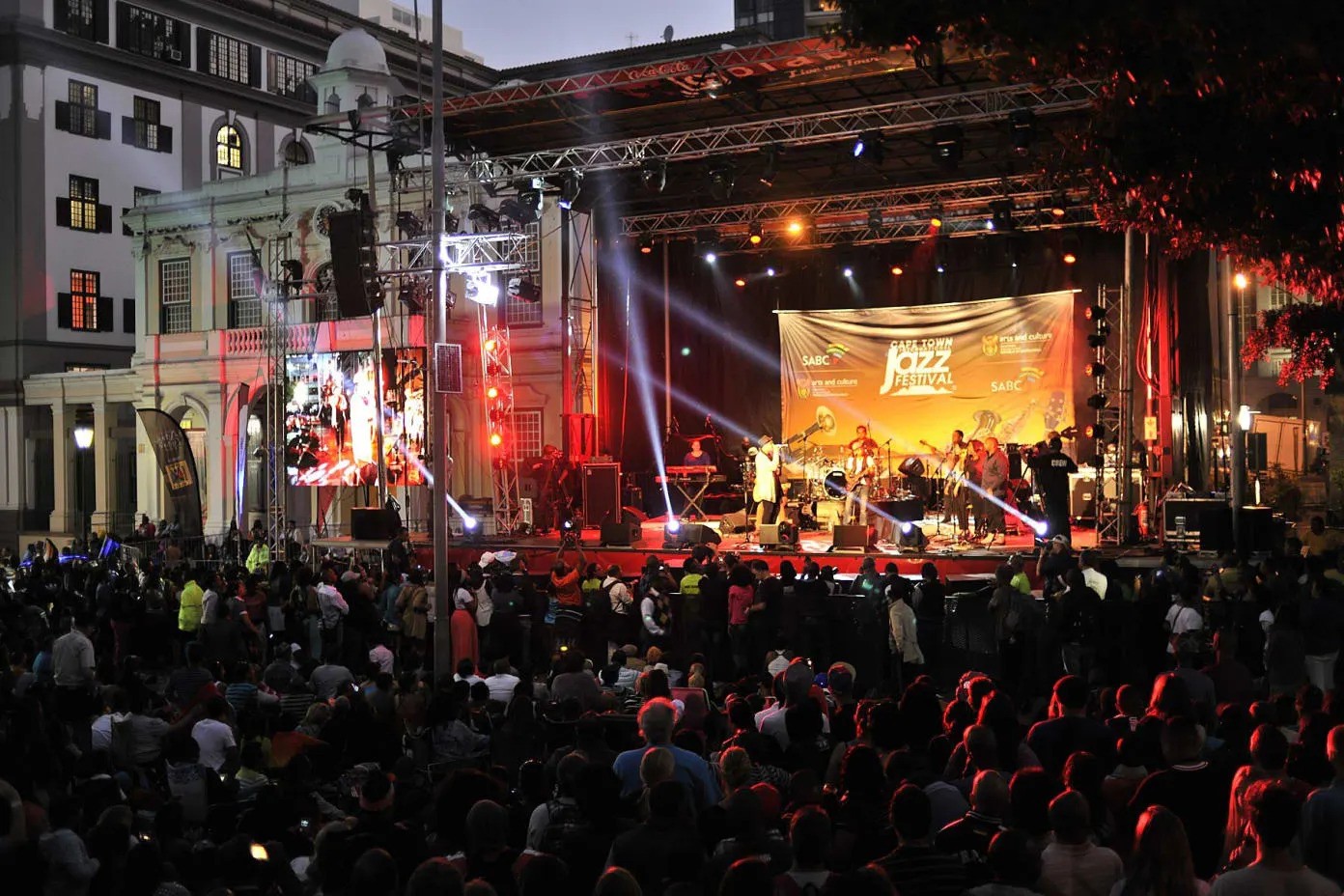
Called “Africa’s Grandest Gathering,” this late-March event is the biggest jazz festival on the continent. It brings together South African jazz greats and world-famous artists - past performers include Hugh Masekela, Wyclef Jean, and even Mariah Carey for R&B sets.
Held at Cape Town’s Grand Arena, it attracts around 40,000 people over two nights. Visitors can also enjoy the downtown “Jazz Square,” filled with food stalls and African crafts. With Table Mountain as a backdrop and a strong focus on African jazz heritage, it’s both a musical and cultural highlight.
46. Afropunk Johannesburg
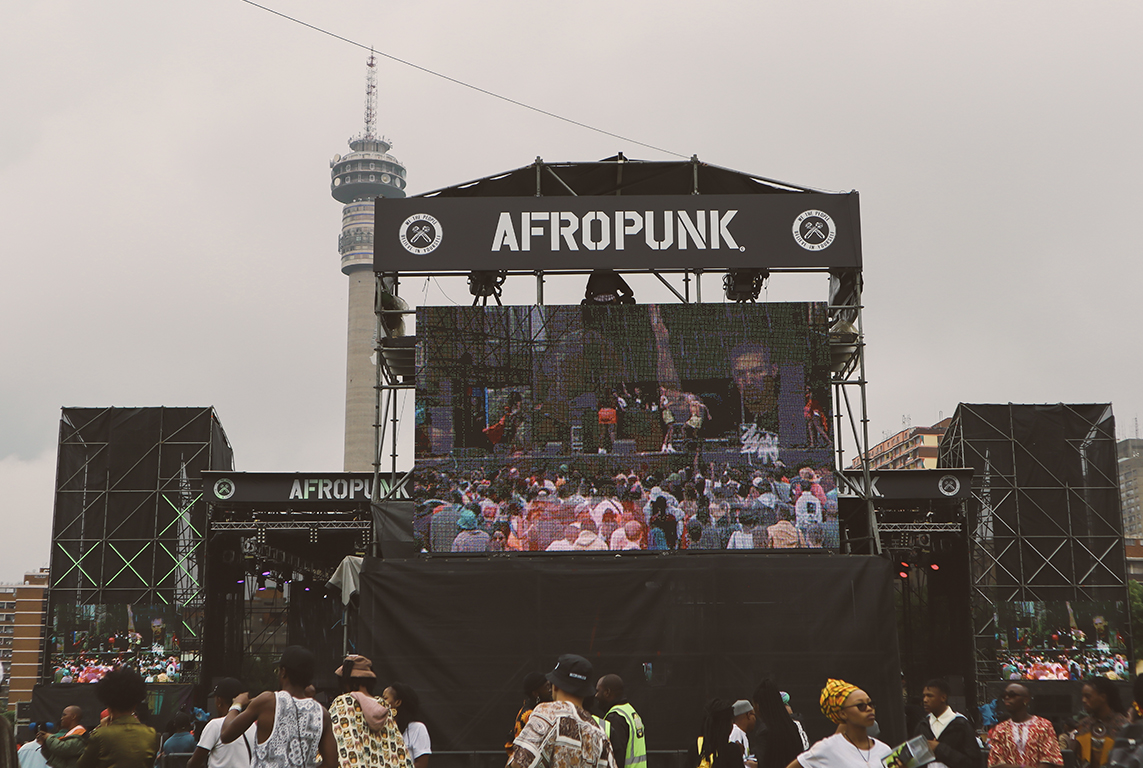
Afropunk, which started in Brooklyn, now takes place in several cities, and the Johannesburg edition is one of the biggest. Held each October, it celebrates Black alternative music, art, and culture, with styles ranging from punk and hip-hop to electronic, reggae, and more.
It’s more than a music festival - there’s street art, fashion shows, activism, and a strong sense of community. Expect bold outfits, creative art, and unique music blends like Afrobeat mixed with punk. Tens of thousands attend, making Afropunk JHB a space for inclusivity, social awareness, and South Africa’s youthful creativity.
47. Mawazine
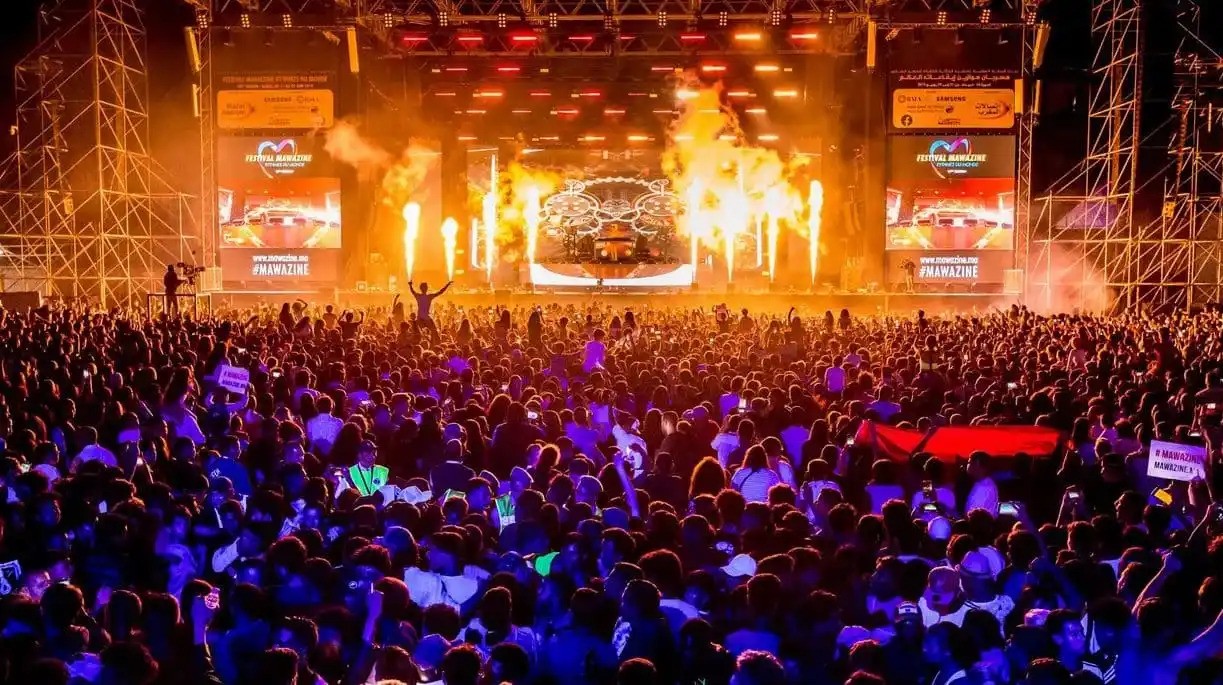
Every May in Morocco’s capital city, Mawazine takes place as one of Africa’s biggest music festivals. It hosts famous international stars like Pharrell and Jessie J, while also highlighting Moroccan and Arab musicians. In 2023, more than 200,000 people attended.
Many of the main stage shows are free because they’re paid for by the government, which helps attract huge crowds. The festival mixes global pop music with local culture, with concerts often held in front of historic landmarks like the Hassan Tower. It shows how live music is growing in North Africa.
Frequently Asked Questions
Is Coachella The Biggest Music Festival?
Since Coachella started in 1999, it has kept growing and is now known as one of the biggest music festivals on Earth. Each year, the Coachella Valley welcomes celebrities from across the globe, and fans, numbering more than 100,000, come to hear them during the two festival weekends.
Why Is Tomorrowland So Famous?
Over the past 20 years, Tomorrowland has evolved into a global entertainment brand and media powerhouse with new festivals & events and a variety of products and experiences, ranging from Tomorrowland Store to Solo Vida, The Great Library of Tomorrow, and much more.
What Is The Biggest EDM Festival In The World?
Tomorrowland is the largest and most prestigious EDM festival in the world, bringing together top DJs, mind-blowing stage productions, and over 400,000 attendees across two weekends. It is famous for its fairytale-like themes and immersive experience that goes beyond just the music.
Who Has The Biggest Crowd In Music Festival History?
Rod Stewart's concert in Copacabana 1994 holds the Guinness World Record for the largest attendance of any concert, having reportedly attracted more than 3.5 million people in Rio de Janeiro, Brazil.
Conclusion
Music festivals today are more than just entertainment; they’re living reflections of culture and big drivers of local economies. A top festival can also mean influence on the music industry, cultural importance, or historical value. This is why both huge, multi-genre events and smaller, specialized gatherings have their own unique place in the global music scene.
Your journey to an amazing live music experience starts by choosing the festival that matches your taste and energy. Mark your calendar, gather your friends, and get ready to dive into festival life.
You Might Also Like: Italian Garden Festivals You Must Attend